The Hidden Secrets of The Partridge Family: Behind-the-Scenes Stories That Even Loyal Fans May Not Know
The early 1970s represented a special period in television history, filled with memorable characters, simple storytelling, and unforgettable entertainment. At the center of this golden era was The Partridge Family, a series that quickly captured America’s imagination and became one of the most recognizable television shows of its time.
With his handsome appearance, impressive singing voice, and undeniable charisma, David Cassidy became an instant household name. Alongside him, Susan Dey won viewers over as Laurie Partridge, bringing warmth, charm, and a relatable personality to the screen.
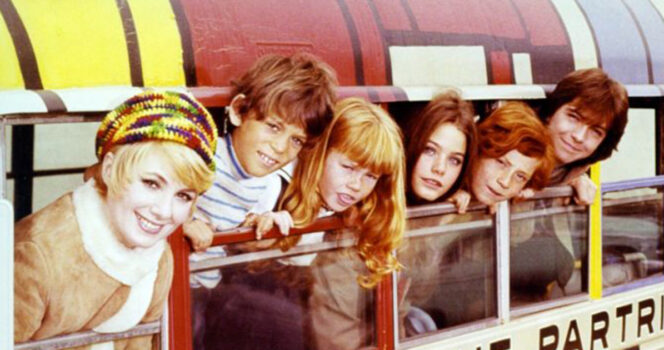
The show’s premise seemed wonderfully simple: a widowed mother named Shirley and her five children form a musical group, climb aboard a brightly painted, psychedelic school bus, and travel around the country performing catchy pop songs.
Combining comedy, family relationships, and memorable musical performances, the series became much more than another television sitcom. It developed into a genuine cultural phenomenon, attracting millions of fans.
However, behind the colorful bus and cheerful family atmosphere was a much more complicated story involving legal disputes, personal struggles, unexpected production decisions, and fascinating secrets that even devoted viewers may never have discovered.
The Real-Life Family Band That Inspired the Show
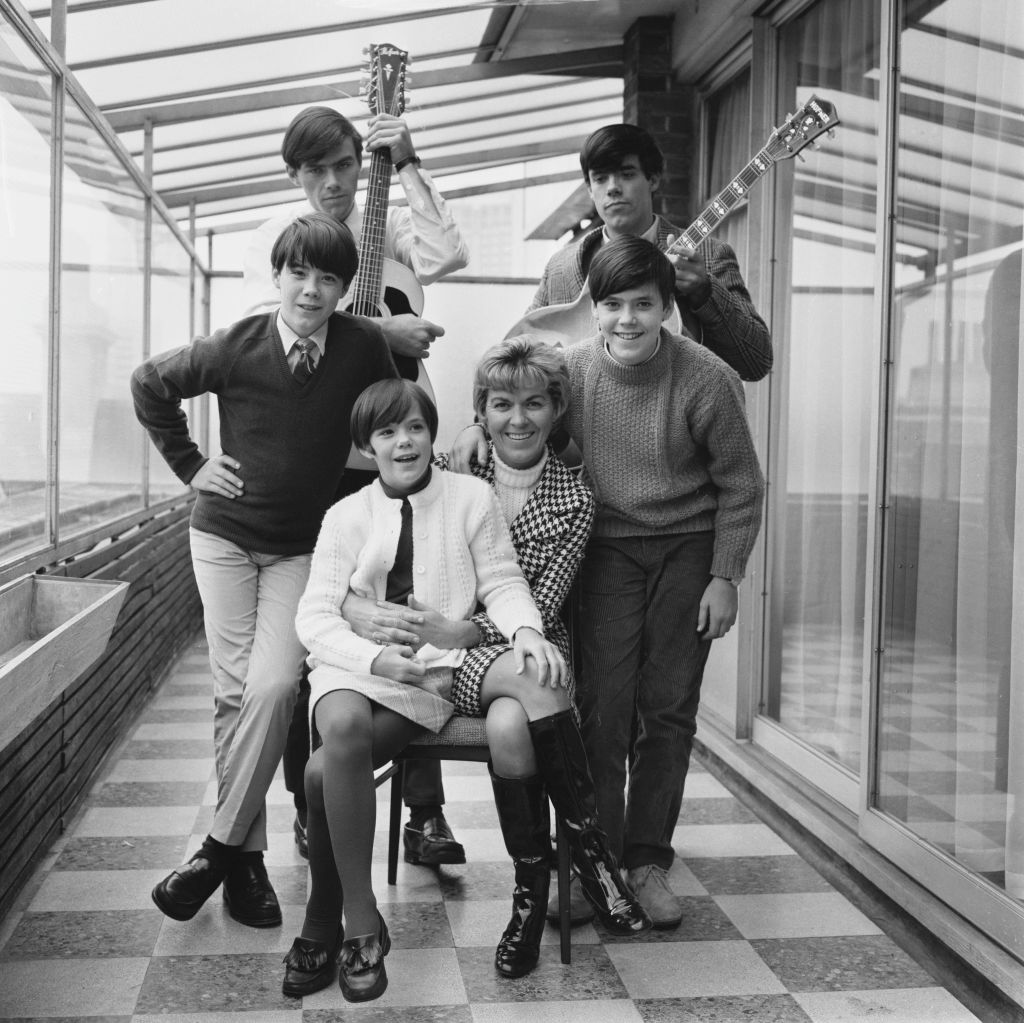
The idea behind The Partridge Family wasn’t simply invented by Hollywood producers. Much of its inspiration came from a real musical group: The Cowsills, a family band that enjoyed considerable success during the late 1960s.
Known for popular songs such as Hair and The Rain, The Park & Other Things, the Cowsills had already established themselves as a recognizable name in American pop music.
Initially, television executives considered bringing the actual Cowsill children into the project to play the fictional family members.
However, as preparations progressed, two significant obstacles emerged. The children lacked professional acting experience, and their ages were beginning to move beyond the younger demographic the network wanted to attract.
Consequently, producers abandoned the idea of using the real family and decided to create an entirely fictional musical group instead.
Veteran actress Shirley Jones was eventually selected to play Shirley Partridge, the mother and central figure of the television family.
An important decision was also made regarding the show’s musical direction. Initially, producers expected Jones to be the only cast member providing the actual vocals for the recordings.
That plan changed dramatically after they heard David Cassidy’s early demonstration recordings. His voice impressed the production team, convincing them that he could become an essential part of the show’s musical identity.
The combination proved remarkably successful. Before long, the music associated with The Partridge Family had become popular far beyond the television screen.
The distinction between a fictional television band and a genuine recording sensation began to disappear.
In 1970, The Partridge Family even received a Grammy nomination for Best New Artist, an extraordinary achievement for a musical group created for a television series.
The band found itself competing against established recording artists, including The Carpenters, who ultimately won the award.
It was a remarkable moment that demonstrated just how successfully the show had transformed television entertainment into a real-world musical phenomenon.
“Cassidymania”: The Price of Becoming a Teen Idol
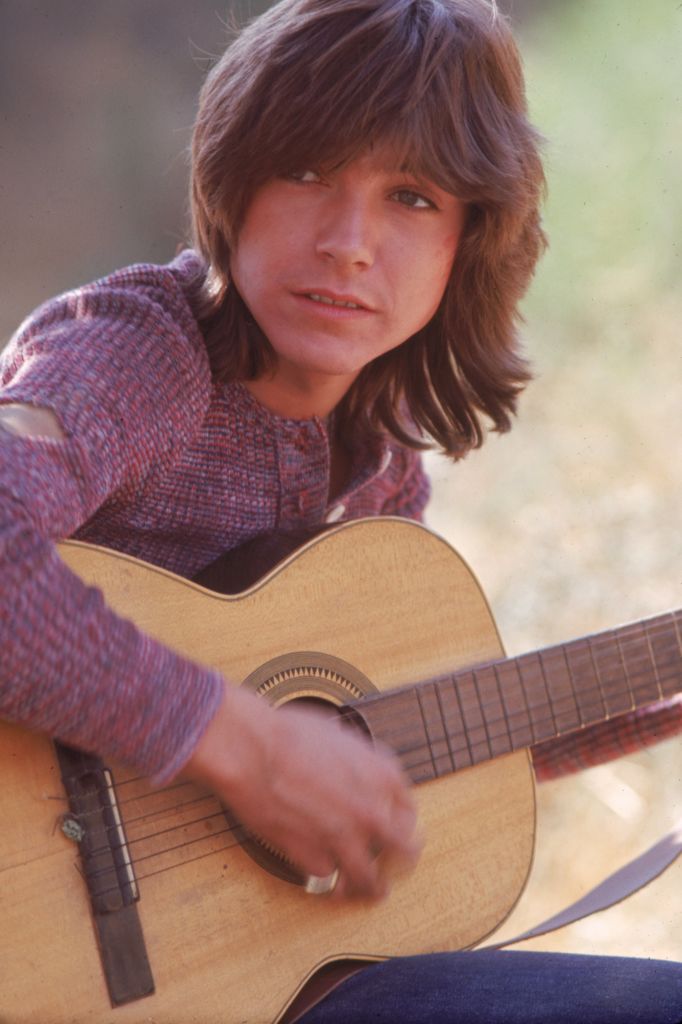
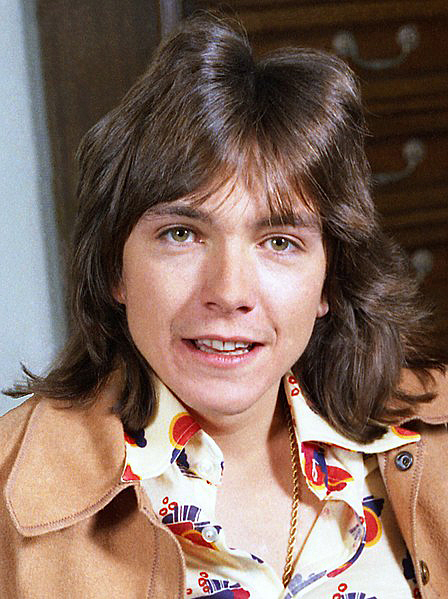
For David Cassidy, landing the role of Keith Partridge was much more than an ordinary career opportunity. It was the beginning of a life-changing experience that transformed him almost overnight into one of the biggest teen idols of the 1970s.
The extraordinary popularity surrounding the young actor became known in the media as “Cassidymania.” The level of excitement among his fans was comparable to the Beatlemania phenomenon that had taken the world by storm just a few years earlier.
Concert venues sold out within minutes, thousands of enthusiastic admirers gathered outside his hotels, and his photograph appeared on millions of posters, lunchboxes, magazines, and other merchandise around the world.
However, behind the glamorous image and overwhelming public attention, Cassidy was experiencing a much less enjoyable side of fame.
What initially seemed like an incredible dream gradually became a difficult reality, leaving him with very little privacy or freedom.
Looking back on those years, Cassidy explained how dramatically his everyday life had changed.
“I never went out in public after the first three months. It was too ridiculous,” he recalled during a 2017 interview.
He also reflected on how celebrity culture had evolved, suggesting that modern audiences had become more familiar with famous personalities because of their constant exposure through video and other media.
For Cassidy, however, the intense attention of the 1970s made even ordinary activities outside his home extremely difficult.
The Auditions That Changed His Career
Interestingly, becoming Keith Partridge had not been an easy journey.
Although Cassidy had already demonstrated his acting abilities through appearances in popular television dramas such as Bonanza and Ironside, studio executives initially regarded him primarily as an actor rather than a potential recording artist.
To prove that he could convincingly handle the musical responsibilities of the role, Cassidy had to participate in several demanding auditions.
One of the most important moments came when he performed before renowned record producer Wes Farrell.
The audition was an opportunity to demonstrate that his voice was strong enough to feature on a commercially successful album, rather than simply providing vocals for a fictional television character.
Cassidy ultimately convinced the producers that he possessed the musical talent they were looking for.
That decision helped transform The Partridge Family into a genuine musical success and launched Cassidy into a level of international fame that few young performers ever experience.
Yet the extraordinary popularity that followed also came with a price. While millions of fans dreamed of meeting their favorite television star, Cassidy was discovering that becoming a household name could mean sacrificing something many people take for granted: the freedom to live an ordinary life.
The $600-a-Week Contract: How David Cassidy Nearly Missed Out on His Own Fortune
While Columbia Pictures and merchandise companies were generating millions of dollars from David Cassidy’s growing popularity, the young actor was receiving surprisingly little of the money being made from his image.
His original contract contained no provisions guaranteeing him royalties or protecting his image rights. As a result, Cassidy had virtually no control over how his photographs and likeness were used commercially.
Even as thousands of fans joined official fan clubs and purchased merchandise bearing his name, Cassidy was reportedly earning a fixed television salary of just $600 per week.
Eventually, however, a significant legal detail changed everything.
The Age of Majority: Cassidy had signed his original contract when he was only 19 years old.
The Legal Loophole: At the time, California’s legal age of majority was 21, meaning his agreement could potentially be challenged or disaffirmed because he had signed it as a minor.
The Renegotiation: Recognizing the opportunity to secure better terms, Cassidy’s management intervened and renegotiated the agreement. The revised contract reportedly included a share of merchandise revenue, improved royalty arrangements, and a substantial salary increase.
For Cassidy, this represented an important turning point. His growing success was finally beginning to translate into financial compensation that better reflected his enormous popularity.
Danny Bonaduce: Remarkable Memory, Overwhelming Fans, and Childhood Wealth
On television, Danny Bonaduce became famous for playing Danny Partridge, the mischievous middle child whose quick wit, clever schemes, and sarcastic remarks provided much of the show’s comedy.
However, away from the cameras, the young actor had an unusual ability that frequently surprised his fellow cast members: an extraordinary memory.
Despite experiencing difficulties during early script readings because of dyslexia, Bonaduce reportedly had an exceptional ability to memorize dialogue.
He could learn entire scripts after reading them just once, sometimes remembering not only his own lines but also the dialogue assigned to his co-stars.
Whenever another actor forgot a line or struggled to remember the correct wording, Bonaduce was often ready with the answer. His habit of correcting other performers became well known on set and occasionally frustrated his older colleagues.
By the time The Partridge Family ended in 1974, Bonaduce, who was just 14 years old, had reportedly accumulated approximately $350,000 in savings.
His childhood was certainly far removed from that of an ordinary teenager.
When Fame Brought Unexpected Attention
Bonaduce’s popularity attracted some particularly enthusiastic admirers. Groups of older female fans regularly gathered outside his family’s suburban home in Los Angeles.
His mother, Betty, often had to take responsibility for controlling access to the house and protecting her young son from the overwhelming attention.
Years later, Bonaduce recalled some of the unusual encounters with fans:
“They’d open their shirts and have notes written on their bodies – ‘DANNY, WE LOVE YOU.’ I put my autograph on a lot of flesh,” he revealed.
A Childhood Unlike Any Other
His experiences during those years were equally extraordinary in other ways.
Bonaduce reportedly enjoyed traveling aboard the Concorde supersonic passenger aircraft, encountering exotic animals, and developing friendships with other young entertainment stars.
Among the famous personalities he became acquainted with was Michael Jackson, who was approximately 16 years old at the time.
For Bonaduce, growing up in the entertainment industry meant experiencing privileges and opportunities that most children could hardly imagine.
Yet, just like David Cassidy, his story also illustrates the complicated side of childhood fame: enormous public attention, unusual financial opportunities, and the challenge of growing up while millions of people are watching.
Susan Dey: A Chance Discovery, Personal Struggles, and Broken Relationships
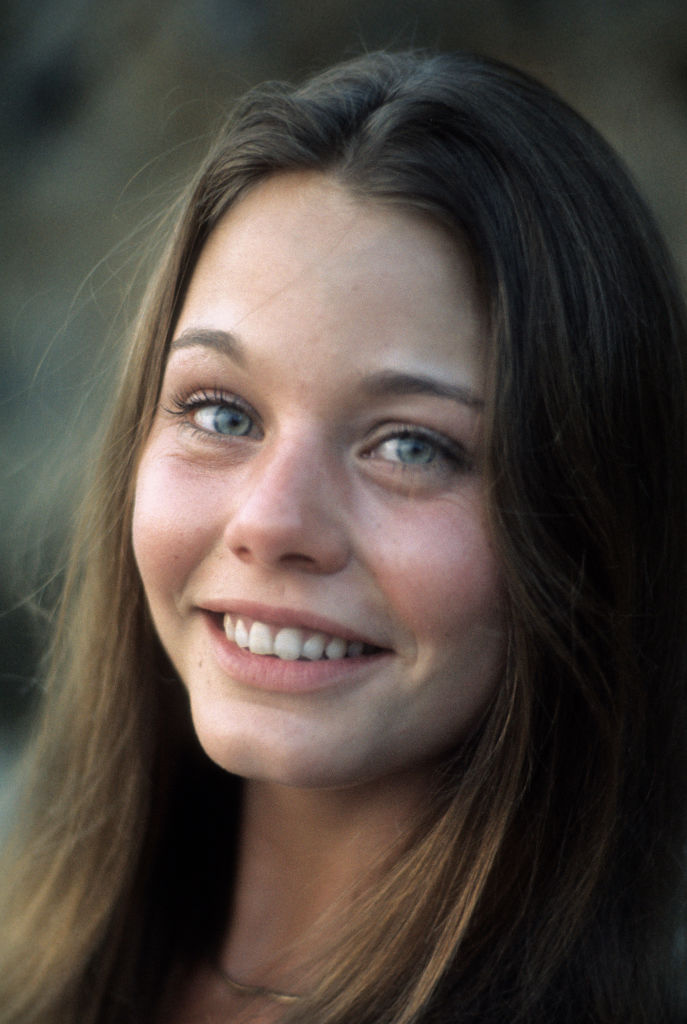
The story of how Susan Dey landed the role of Laurie Partridge is one of the more remarkable casting stories in television history.
Interestingly, producers initially considered Olivia Newton-John for the part. In an unexpected reversal of fortune, years later, when Hollywood executives were casting the musical blockbuster Grease, Susan Dey was reportedly considered for the role of Sandy, which eventually went to Newton-John.
Dey’s own journey to The Partridge Family began almost by accident.
Screen Gems producer Paul Witt had become frustrated with the lack of fresh faces in Hollywood and decided to travel to New York in search of undiscovered talent.
There, he encountered 17-year-old Susan Dey, a high school junior with expressive eyes, natural elegance, and no formal acting training. Witt immediately recognized something special in her and believed she was the perfect choice to play Laurie Partridge.
Because Dey was still underage during the production of the show’s early episodes, the studio arranged for her to have an adult guardian on set.
The production hired Jane Joyce, a 23-year-old college graduate, to supervise the young actress. Joyce helped manage Dey’s daily schedule, monitored her correspondence and school assignments, and ensured she continued her education while working in television.
The Personal Battles Behind the Cameras
Although Susan Dey achieved television fame at a remarkably young age, her experience was not always as glamorous as viewers might have imagined.
Behind the cheerful atmosphere of the series, she reportedly struggled with several personal challenges.
Eating Disorder Struggles: Away from the cameras, the pressure surrounding her appearance and the expectations associated with being a young television star contributed to a difficult period involving an eating disorder.
Lack of Confidence: Dey was also extremely critical of her acting abilities. Looking back at her work during the first season, she once described her performance as “awful.”
As she explained in an interview with The Star Press: “The thing was – I couldn’t let go. All that stiffness came through on the screen.”
Distance From Her Former Co-Stars: Despite reportedly having a significant crush on David Cassidy during the show’s production and spending some time living with Danny Bonaduce’s family, Dey gradually distanced herself from the series after it ended in 1974.
Her career continued to flourish, and in 1986 she earned widespread critical recognition for her performance in the television drama L.A. Law.
However, she consistently declined invitations to participate in The Partridge Family reunions and retrospective projects.
Her decision reportedly disappointed several former cast members, including Shirley Jones, who had hoped to reconnect with the actress and celebrate their shared television history.
Behind-the-Scenes Secrets, Famous Guest Stars, and Unexpected Mistakes
Even the most beloved television classics have their share of unusual production stories, forgotten guest appearances, and technical mistakes that viewers may not notice until years later.
The Partridge Family was no exception. Beyond its memorable music and colorful school bus, the series featured several future Hollywood stars before they became household names.
Famous Guest Stars Before They Became Hollywood Legends
One of the show’s most interesting features was its ability to attract talented young performers who would eventually achieve enormous success.
Shirley Jones fondly remembered working alongside a young Jodie Foster, who appeared on the series before becoming one of Hollywood’s most respected actresses.
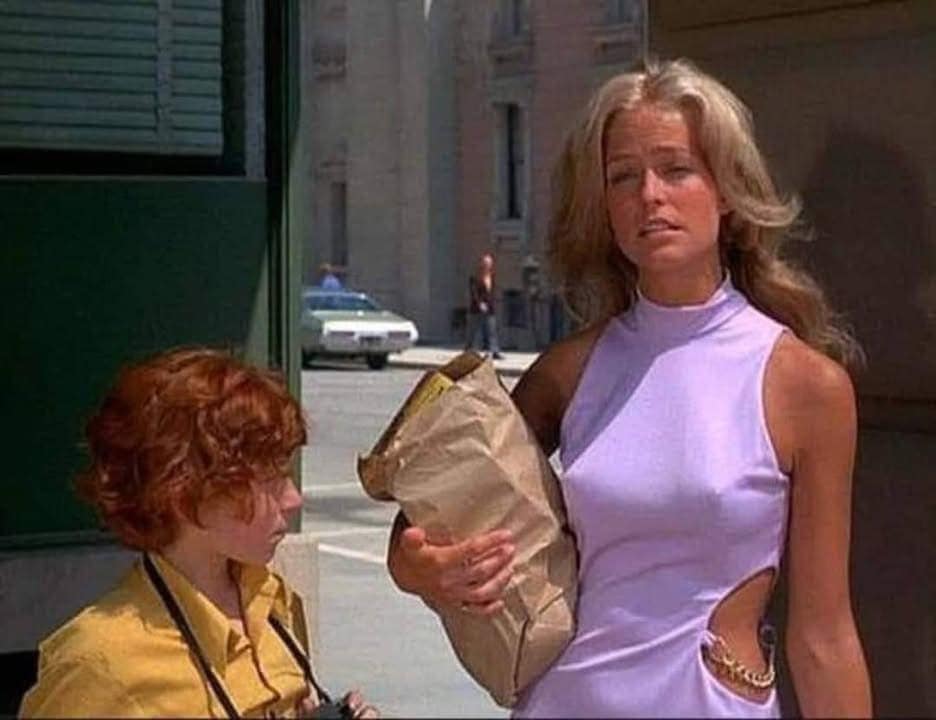
Another memorable guest appearance came from Farrah Fawcett. During the first season, her appearance reportedly left a strong impression on the cast, with several people predicting that she had the potential to become a major star.
Perhaps the most fascinating piece of television trivia involves the future stars of Charlie’s Angels.
All three actresses who would eventually become associated with the famous detective series—Farrah Fawcett, Jaclyn Smith, and Cheryl Ladd—made separate guest appearances on The Partridge Family before becoming internationally recognized through their roles in the hit crime drama.
Looking back, these appearances offer a fascinating glimpse into the early careers of some of television’s most recognizable actresses.
For longtime fans, discovering these familiar faces in their earlier television roles adds another reason to revisit The Partridge Family and appreciate the remarkable collection of talent that passed through its colorful world.
The Forgotten Child in the Pilot Episode: A Hilarious Counting Mistake
One of the funniest continuity mistakes in The Partridge Family occurs during the emotional climax of the pilot episode.
As the curtain rises for the children’s first major performance, the young performers suddenly freeze with stage fright. Faced with their unexpected nervousness, Shirley tries to reassure them by encouraging everyone to imagine they are back home, practicing together in the family garage.
However, actress Shirley Jones accidentally delivers her line incorrectly, creating an amusing little mistake.
Instead of referring to all six members of the family, she says:
“Just imagine you’re in the back of our garage, all five of us, just having fun.”
The problem? There are six Partridge family members standing on stage, including Shirley herself!
With that single sentence, one of the children seemingly disappears from the family count.
Even more amusingly, the mistake somehow escaped the editors’ attention and remained in the finished episode.
It is a small but memorable blooper that longtime fans can enjoy spotting when revisiting the show’s very first episode. Sometimes, even the most carefully produced television classics contain little mistakes that make them even more entertaining decades later.
The Skunk on a Wire: A Behind-the-Scenes Mistake Fans Can Still Spot
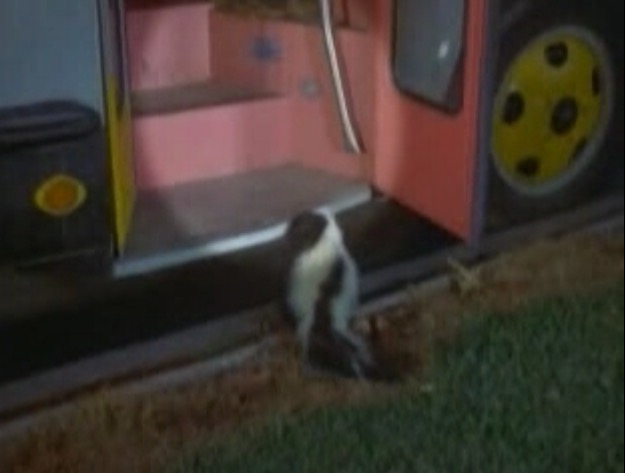
One of the most memorable and unusual episodes of The Partridge Family is the Season One installment titled “Did You Hear the One About Danny Partridge?” (Episode 8).
In this amusing story, a skunk unexpectedly makes its way onto the family’s famous psychedelic bus during a picnic, eventually spraying the unsuspecting family members.
The idea for the episode reportedly came from writer Bernard Slade’s own childhood experiences with skunks that lived beneath his house.
However, there is a rather funny production secret hidden in one of the scenes.
As the family rushes back toward the bus to escape the animal, observant viewers can spot a thin metal guide-wire attached to the skunk’s neck. The wire is used to direct the animal’s movements as it makes its way down the aisle.
It is a small but unmistakable reminder of the practical challenges involved in filming scenes with live animals during the early days of television.
Missing Amplifiers and Doors That Defy Logic
Because The Partridge Family was filmed primarily on carefully constructed studio sets, some unusual architectural and technical inconsistencies occasionally appeared on screen.
Two particularly amusing examples stand out.
The Ghost Wall: In certain exterior shots, when the front door of the Partridge family home opens, viewers can see an interior wall positioned just a short distance away on the porch. Yet, when the camera switches to a view from inside the house looking outward, that same wall mysteriously disappears.
The Missing Musical Equipment: Another curious detail involves the family’s musical performances. Throughout the show’s four-season run, the Partridges regularly perform energetic pop songs, yet viewers rarely see the conventional stage equipment one would expect at a real concert.
Visible guitar amplifiers, speaker cabinets, monitor systems, and microphone cables are noticeably absent from many of these performances.
Although these details might seem insignificant, they add another layer of entertainment for fans revisiting the series decades later.
What appears to be a polished musical performance on television sometimes reveals the limitations and shortcuts of studio production during that era.
The Tragic Final Chapter of David Cassidy
The Tragic Final Chapter of David Cassidy
The bright and glamorous era of the 1970s eventually gave way to a much more difficult chapter in the life of one of its biggest television and music stars.
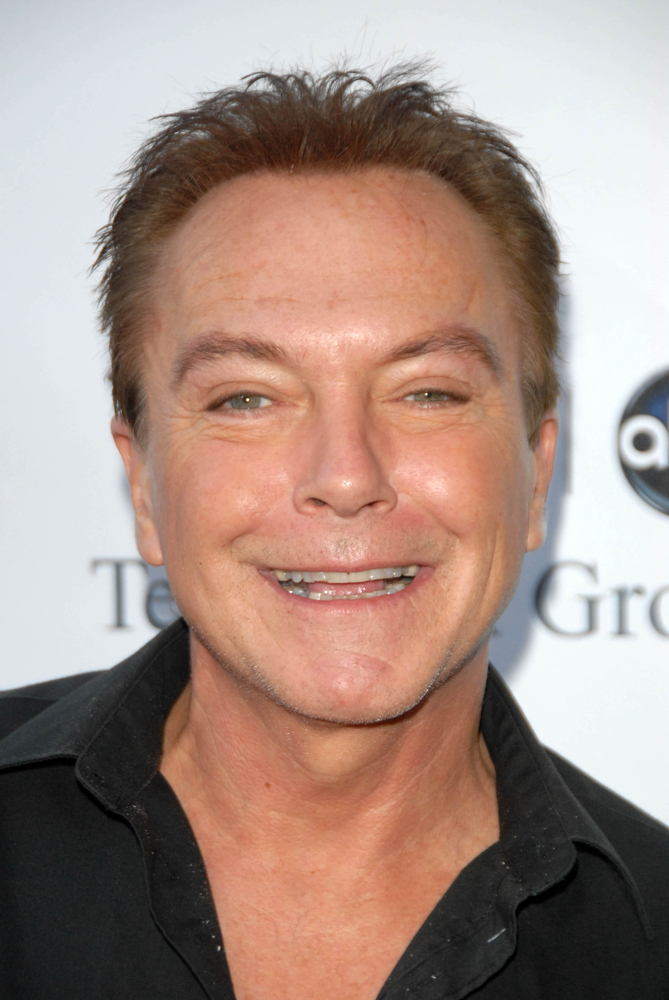
After decades of struggling with alcohol addiction and financial difficulties, David Cassidy passed away on November 21, 2017, at the age of 67. His death was attributed to liver failure, marking the heartbreaking end of a life that had once been defined by extraordinary fame and success.
During the final months of his life, Cassidy had become the subject of growing public concern following several troubling incidents during his performances.
In February 2017, while performing at a concert in Rhode Island, he struggled to remember lyrics to songs he had been singing for nearly five decades. His speech also appeared slurred, and he experienced a fall on stage.
The incidents raised questions about his health and ability to continue performing.
Shortly afterward, Cassidy publicly revealed that he had been diagnosed with dementia. He also announced that he would no longer continue touring, bringing an end to a performing career that had spanned several decades.
For millions of fans who had grown up watching him as Keith Partridge, the news was particularly heartbreaking.
The young man who had once inspired extraordinary excitement among teenage audiences around the world was now facing serious health challenges away from the spotlight.
His final years offered a sobering reminder that fame, success, and public admiration cannot protect anyone from life’s personal struggles.
Nevertheless, David Cassidy’s legacy remains closely connected to the music, television performances, and unforgettable moments that made him one of the defining teen idols of the 1970s.
The Truth Behind David Cassidy’s Final Diagnosis
However, the reality surrounding David Cassidy’s final months was considerably more complicated than the initial reports suggested.
During the filming of the A&E documentary David Cassidy: The Last Session, which was recorded approximately two months before his death while he was hospitalized, Cassidy made an emotional telephone confession to producer Saralena Weinfield.
In a tearful conversation, he spoke openly about his medical condition and disputed the earlier suggestion that dementia was responsible for his memory problems.
“I have a liver disease,” Cassidy admitted. “There is no sign of me having dementia at this stage of my life. It was completely alcohol poisoning. My life has changed dramatically. The first few days I was unconscious and near death. The last week or so my memory has come back.”
His words revealed just how serious his health problems had become and offered a more personal perspective on the final chapter of his life.
Following his death, his daughter, actress Katie Cassidy, shared an especially heartbreaking message on social media.
Remembering her father’s final words, she revealed:
“My father’s last words were ‘So much wasted time.’”
The emotional statement became a particularly poignant reflection on a life marked by extraordinary success, personal struggles, and the pressures of growing up in the public eye.
Preserving the Legacy of The Partridge Family
Despite the personal difficulties, financial challenges, and heartbreaking stories that unfolded behind the scenes, The Partridge Family continues to hold a special place in American television history.
The series captured something unique about the entertainment of the 1970s: a combination of family humor, catchy music, colorful fashion, and an infectious sense of optimism.
Its characters, memorable songs, and famous psychedelic bus remain recognizable to generations of viewers, including those who discovered the show long after its original broadcast.
David Cassidy’s journey reminds us that behind the image of a beloved television star was a real person who experienced both extraordinary achievements and deeply personal struggles.
For those who grew up singing along to I Think I Love You or watching the Partridge family travel from one performance to another, the show remains a treasured reminder of a different era.
And perhaps that is the greatest reason to revisit its history: not simply to remember the secrets and controversies, but to celebrate the music, the performances, and the television memories that have never truly faded.
If you grew up enjoying The Partridge Family, share these fascinating behind-the-scenes stories with fellow fans and help keep the magic of the 1970s alive for another generation.
Leave a Reply