Author: rinasi123

  • What Happens to Your Body When You Eat Beets Regularly? – Discover the Surprising Health Benefits of This Vibrant Vegetable

    What Happens to Your Body When You Eat Beets Regularly? – Discover the Surprising Health Benefits of This Vibrant Vegetable

    What Happens to Your Body When You Eat Beets Regularly? The Remarkable Health Benefits of This Colorful Vegetable

    Those deep-red beets sitting in your kitchen may offer much more than a splash of color on your dinner plate. Packed with natural nitrates, dietary fiber, antioxidants, vitamins, and essential minerals, these humble root vegetables can support several important functions throughout the body, from healthy circulation and digestion to cardiovascular health and physical performance.

    Although beets have been enjoyed for generations, they have attracted increasing attention from nutrition researchers because of their impressive nutritional composition.

    One of their most fascinating properties is their naturally occurring nitrate content. After consuming beets, the body can convert these nitrates into nitric oxide, a compound that helps blood vessels relax and widen. This allows blood to circulate more easily and may contribute to maintaining healthy blood pressure.

    Improved circulation can also help deliver oxygen more efficiently throughout the body, an especially important process during physical activity.

    For athletes and physically active individuals, this is one reason beetroot juice has become a popular subject of scientific research. Studies have examined whether beetroot products can improve endurance, exercise performance, and the body’s ability to use oxygen during physical exertion.

    But better circulation is only one part of the story.

    The nutrients found in beets may also support digestion, help protect cells against oxidative stress, and contribute to several essential processes that keep the body functioning properly.

    1. Beets May Help Maintain Healthy Blood Pressure and Improve Circulation

    One of the most frequently discussed benefits of eating beets is their potential contribution to cardiovascular health.

    Their naturally high nitrate content makes them particularly interesting to researchers investigating blood pressure and circulation.

    Once consumed, dietary nitrates pass through several processes in the body that eventually lead to the production of nitric oxide. This molecule helps relax the muscles surrounding blood vessels, allowing them to widen and making blood flow more freely.

    This process, known as vasodilation, may contribute to maintaining healthier blood pressure levels.

    For anyone looking to support cardiovascular health through nutrition, beets can be a valuable addition to a balanced eating plan.

    However, their effects should not be overstated. Eating beets does not guarantee lower blood pressure, and they should never replace medication prescribed to manage hypertension.

    The potential benefits also depend on individual health, overall dietary habits, and the quantity of nitrates consumed.

    2. They May Help Improve Exercise Performance and Endurance

    If you enjoy running, cycling, working out, or participating in other physically demanding activities, beets offer another interesting nutritional advantage.

    Because dietary nitrates can increase nitric oxide production, they may help improve blood flow and the efficiency with which muscles use oxygen during exercise.

    This is one reason beetroot juice has become increasingly popular among athletes and fitness enthusiasts.

    Some scientific studies suggest that consuming nitrate-rich beetroot products may help certain individuals exercise for longer periods or improve aspects of endurance performance.

    These potential effects are particularly interesting for activities requiring sustained physical effort.

    Nevertheless, results are not identical for everyone. Fitness levels, exercise intensity, individual physiology, and dietary habits can all influence how someone responds.

    Beets cannot replace proper training, hydration, recovery, or balanced nutrition, but their natural properties make them an interesting food for supporting an active lifestyle.

    3. Their Fiber Content Helps Support Healthy Digestion

    Another excellent reason to include beets in your diet is their dietary fiber content.

    Fiber plays an essential role in maintaining digestive health by supporting regular bowel movements and helping reduce the risk of constipation.

    When you consume fiber-rich foods such as beets, you also provide nourishment for beneficial bacteria living in your digestive tract.

    These microorganisms make up the gut microbiome, which contributes to digestive health and several other important bodily functions.

    Dietary fiber can also slow the absorption of carbohydrates, helping moderate changes in blood sugar after meals.

    This makes beets a useful addition to balanced meals, especially when combined with whole grains, protein sources, and other vegetables.

    Whether roasted, grated raw, or served in a fresh salad, beets offer an easy way to increase your daily fiber intake.

    4. Beets Provide Antioxidants That Help Protect Your Cells

    The deep red and purple colors of beets are more than just visually appealing.

    Much of their distinctive pigmentation comes from natural plant compounds called betalains, which possess antioxidant properties.

    Antioxidants help protect cells against oxidative stress, a condition that occurs when potentially damaging molecules known as free radicals become unbalanced with the body’s natural antioxidant defenses.

    Oxidative stress is involved in several biological processes and has been studied in connection with aging and various chronic health conditions.

    By providing antioxidant compounds, beets can contribute to a nutritious diet that supports the body’s natural protective systems.

    Betalains have also attracted scientific attention because of their potential anti-inflammatory effects.

    However, promising laboratory findings should not be confused with proven health outcomes in humans. Eating beets does not guarantee protection against disease, but their antioxidant content makes them a valuable part of a varied diet.

    5. They Supply Folate for Healthy Cell Development

    Beets are also a natural source of folate, an essential B vitamin involved in several important processes throughout the body.

    Folate supports DNA production, normal cell division, and the formation of healthy red blood cells.

    It is especially important during periods of rapid growth and development, including pregnancy, when the body’s need for this nutrient increases.

    Getting enough folate through food helps maintain normal cellular functions and supports overall health.

    Other nutritious sources include leafy green vegetables, legumes, and fortified foods.

    Adding beets alongside these foods is another simple way to increase the variety of nutrients in your everyday diet.

    6. Potassium Supports Healthy Muscles and Nerve Function

    Another valuable nutrient found in beets is potassium.

    This essential mineral helps regulate fluid balance and supports the normal functioning of muscles and nerves.

    Potassium also contributes to maintaining a regular heartbeat and healthy blood pressure.

    Because the body depends on potassium for so many important processes, obtaining sufficient amounts through food is an important part of maintaining overall health.

    Beets can contribute to your daily potassium intake, although many other foods provide this mineral as well.

    Potatoes, bananas, beans, leafy greens, and various fruits and vegetables are also excellent dietary sources.

    Eating a variety of potassium-rich foods is generally more beneficial than relying on a single vegetable.

    7. Manganese Helps Support Metabolism and Bone Health

    Although it receives less attention than some other minerals, manganese is another beneficial nutrient present in beets.

    This mineral contributes to several essential bodily processes, including metabolism, antioxidant enzyme activity, and the development and maintenance of healthy bones.

    Manganese also helps the body process certain nutrients and maintain normal cellular functions.

    While beets are not an exceptionally concentrated source of this mineral, they can contribute to overall manganese intake when included as part of a varied and balanced diet.

    It is another example of how everyday vegetables can provide multiple nutrients that work together to support the body.

    8. Better Circulation May Also Benefit Brain Function

    The potential benefits of beets may extend beyond cardiovascular health and physical performance.

    Researchers have also investigated whether dietary nitrates and the resulting production of nitric oxide could influence blood flow to the brain.

    The brain requires a continuous supply of oxygen and nutrients to function properly. Healthy circulation is therefore an important part of maintaining normal brain activity.

    Some studies suggest that nitrate-rich foods may influence certain aspects of cerebral blood flow and cognitive performance.

    However, the evidence is still developing, and additional research is necessary to determine whether regularly eating beets produces meaningful improvements in memory, concentration, or long-term cognitive health.

    It would be misleading to describe beets as a food that prevents memory loss or guarantees better brain function.

    Nevertheless, their potential influence on circulation makes them an interesting subject for ongoing nutritional research.

    Are There Any Risks Associated With Eating Beets Regularly?

    For most healthy adults, beets are a nutritious food that can be enjoyed regularly as part of a balanced diet.

    However, there are a few considerations worth knowing, particularly if you have certain medical conditions.

    One important consideration is their oxalate content.

    Beets contain naturally occurring oxalates, compounds that can contribute to the formation of calcium oxalate kidney stones in people who are susceptible to them.

    Individuals with a history of calcium oxalate kidney stones may benefit from personalized dietary advice before significantly increasing their consumption of beets or concentrated beetroot products.

    Another unusual effect is that beets can temporarily change the color of your urine or stool.

    This phenomenon is known as beeturia and can produce reddish or pinkish discoloration after eating beets.

    Although it may initially look alarming, it is generally harmless and does not necessarily indicate a medical problem.

    However, unexplained blood-like discoloration should not automatically be attributed to beet consumption. Persistent discoloration or other concerning symptoms should be discussed with a healthcare professional.

    People taking medication for high blood pressure should also exercise caution with concentrated beetroot products.

    Because dietary nitrates may contribute to lowering blood pressure, consuming large quantities of beetroot juice or supplements alongside certain medications could potentially increase their effects.

    If you take blood pressure medication or have an underlying health condition, consult your healthcare professional before introducing concentrated beetroot products into your daily routine.

    Simple Ways to Include More Beets in Your Everyday Diet

    One of the best things about beets is their versatility.

    You do not need expensive supplements, complicated recipes, or dramatic changes to your eating habits to enjoy their nutritional benefits.

    There are several easy ways to incorporate them into familiar meals.

    • Roasted beets: Baking beets brings out their natural sweetness and creates a delicious side dish. They pair particularly well with olive oil, herbs, and other roasted vegetables.
    • Fresh beetroot salads: Grated raw beets add color, texture, and a distinctive earthy flavor to salads. Combine them with leafy greens, carrots, and other vegetables.
    • Beetroot smoothies: Cooked or appropriately prepared raw beets can be blended with fruits and other ingredients to create a colorful and nutritious smoothie.
    • Beetroot soup: Cooked beets can be blended into soups, providing a naturally rich color and distinctive flavor.
    • Simple vegetable sides: Serving cooked beets alongside your regular meals is an easy way to increase your vegetable intake.

    There is no requirement to eat beets every single day to benefit from their nutritional properties.

    What matters most is maintaining healthy eating habits and including a wide variety of nutritious foods.

    The Bottom Line: A Small Vegetable With Impressive Nutritional Benefits

    Despite growing awareness of healthy eating, many adults still struggle to consume the recommended amounts of vegetables.

    For anyone looking to improve their diet, adding familiar and versatile vegetables such as beets can be a practical place to begin.

    Their natural nitrates may support healthy circulation, their fiber contributes to digestive health, and their antioxidants, folate, potassium, and manganese provide several additional nutritional benefits.

    However, beets should not be considered a miracle food.

    They cannot replace prescribed medication, guarantee lower blood pressure, prevent disease, or promise improved athletic performance.

    The most effective approach to long-term health remains a varied and balanced diet that includes vegetables, fruits, whole grains, and appropriate sources of protein, alongside regular physical activity and other healthy lifestyle habits.

    You do not need to transform your entire lifestyle or eat the same food every day to make meaningful improvements.

    Sometimes, supporting your health can begin with something as simple as adding a colorful serving of beets to your next meal.
  • The Hidden Secrets of The Partridge Family: Surprising Behind-the-Scenes Stories You Never Knew

    The Hidden Secrets of The Partridge Family: Surprising Behind-the-Scenes Stories You Never Knew

    The Hidden Secrets of The Partridge Family: Behind-the-Scenes Stories That Even Loyal Fans May Not Know

    The early 1970s represented a special period in television history, filled with memorable characters, simple storytelling, and unforgettable entertainment. At the center of this golden era was The Partridge Family, a series that quickly captured America’s imagination and became one of the most recognizable television shows of its time.

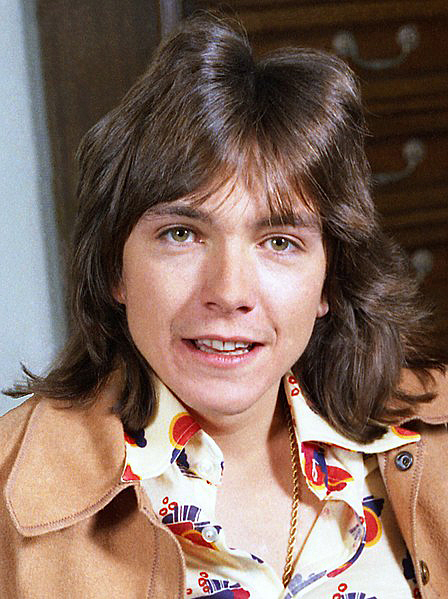
    With his handsome appearance, impressive singing voice, and undeniable charisma, David Cassidy became an instant household name. Alongside him, Susan Dey won viewers over as Laurie Partridge, bringing warmth, charm, and a relatable personality to the screen.

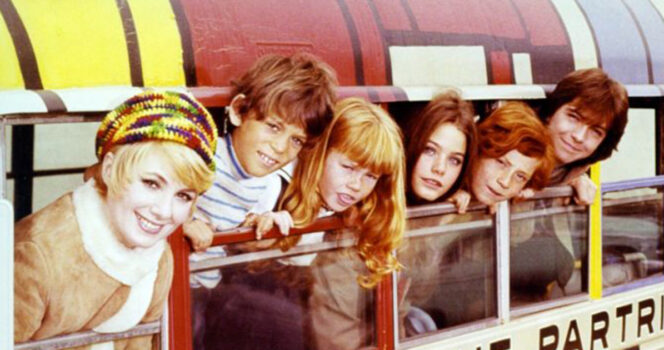
    The show’s premise seemed wonderfully simple: a widowed mother named Shirley and her five children form a musical group, climb aboard a brightly painted, psychedelic school bus, and travel around the country performing catchy pop songs.

    Combining comedy, family relationships, and memorable musical performances, the series became much more than another television sitcom. It developed into a genuine cultural phenomenon, attracting millions of fans.

    However, behind the colorful bus and cheerful family atmosphere was a much more complicated story involving legal disputes, personal struggles, unexpected production decisions, and fascinating secrets that even devoted viewers may never have discovered.

    The Real-Life Family Band That Inspired the Show

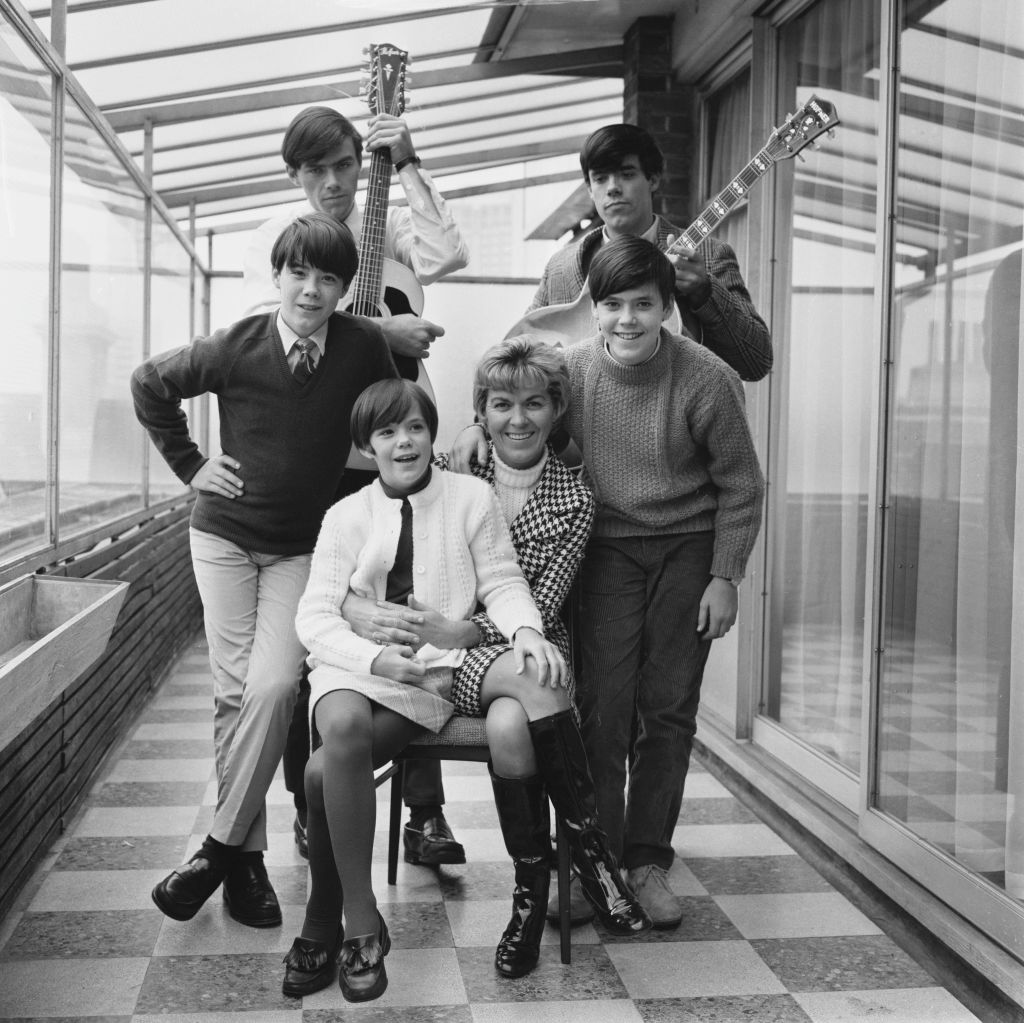
    The idea behind The Partridge Family wasn’t simply invented by Hollywood producers. Much of its inspiration came from a real musical group: The Cowsills, a family band that enjoyed considerable success during the late 1960s.

    Known for popular songs such as Hair and The Rain, The Park & Other Things, the Cowsills had already established themselves as a recognizable name in American pop music.

    Initially, television executives considered bringing the actual Cowsill children into the project to play the fictional family members.

    However, as preparations progressed, two significant obstacles emerged. The children lacked professional acting experience, and their ages were beginning to move beyond the younger demographic the network wanted to attract.

    Consequently, producers abandoned the idea of using the real family and decided to create an entirely fictional musical group instead.

    Veteran actress Shirley Jones was eventually selected to play Shirley Partridge, the mother and central figure of the television family.

    An important decision was also made regarding the show’s musical direction. Initially, producers expected Jones to be the only cast member providing the actual vocals for the recordings.

    That plan changed dramatically after they heard David Cassidy’s early demonstration recordings. His voice impressed the production team, convincing them that he could become an essential part of the show’s musical identity.

    The combination proved remarkably successful. Before long, the music associated with The Partridge Family had become popular far beyond the television screen.

    The distinction between a fictional television band and a genuine recording sensation began to disappear.

    In 1970, The Partridge Family even received a Grammy nomination for Best New Artist, an extraordinary achievement for a musical group created for a television series.

    The band found itself competing against established recording artists, including The Carpenters, who ultimately won the award.

    It was a remarkable moment that demonstrated just how successfully the show had transformed television entertainment into a real-world musical phenomenon.

    “Cassidymania”: The Price of Becoming a Teen Idol

    For David Cassidy, landing the role of Keith Partridge was much more than an ordinary career opportunity. It was the beginning of a life-changing experience that transformed him almost overnight into one of the biggest teen idols of the 1970s.

    The extraordinary popularity surrounding the young actor became known in the media as “Cassidymania.” The level of excitement among his fans was comparable to the Beatlemania phenomenon that had taken the world by storm just a few years earlier.

    Concert venues sold out within minutes, thousands of enthusiastic admirers gathered outside his hotels, and his photograph appeared on millions of posters, lunchboxes, magazines, and other merchandise around the world.

    However, behind the glamorous image and overwhelming public attention, Cassidy was experiencing a much less enjoyable side of fame.

    What initially seemed like an incredible dream gradually became a difficult reality, leaving him with very little privacy or freedom.

    Looking back on those years, Cassidy explained how dramatically his everyday life had changed.

    “I never went out in public after the first three months. It was too ridiculous,” he recalled during a 2017 interview.

    He also reflected on how celebrity culture had evolved, suggesting that modern audiences had become more familiar with famous personalities because of their constant exposure through video and other media.

    For Cassidy, however, the intense attention of the 1970s made even ordinary activities outside his home extremely difficult.

    The Auditions That Changed His Career

    Interestingly, becoming Keith Partridge had not been an easy journey.

    Although Cassidy had already demonstrated his acting abilities through appearances in popular television dramas such as Bonanza and Ironside, studio executives initially regarded him primarily as an actor rather than a potential recording artist.

    To prove that he could convincingly handle the musical responsibilities of the role, Cassidy had to participate in several demanding auditions.

    One of the most important moments came when he performed before renowned record producer Wes Farrell.

    The audition was an opportunity to demonstrate that his voice was strong enough to feature on a commercially successful album, rather than simply providing vocals for a fictional television character.

    Cassidy ultimately convinced the producers that he possessed the musical talent they were looking for.

    That decision helped transform The Partridge Family into a genuine musical success and launched Cassidy into a level of international fame that few young performers ever experience.

    Yet the extraordinary popularity that followed also came with a price. While millions of fans dreamed of meeting their favorite television star, Cassidy was discovering that becoming a household name could mean sacrificing something many people take for granted: the freedom to live an ordinary life.

    The $600-a-Week Contract: How David Cassidy Nearly Missed Out on His Own Fortune

    While Columbia Pictures and merchandise companies were generating millions of dollars from David Cassidy’s growing popularity, the young actor was receiving surprisingly little of the money being made from his image.

    His original contract contained no provisions guaranteeing him royalties or protecting his image rights. As a result, Cassidy had virtually no control over how his photographs and likeness were used commercially.

    Even as thousands of fans joined official fan clubs and purchased merchandise bearing his name, Cassidy was reportedly earning a fixed television salary of just $600 per week.

    Eventually, however, a significant legal detail changed everything.

    The Age of Majority: Cassidy had signed his original contract when he was only 19 years old.

    The Legal Loophole: At the time, California’s legal age of majority was 21, meaning his agreement could potentially be challenged or disaffirmed because he had signed it as a minor.

    The Renegotiation: Recognizing the opportunity to secure better terms, Cassidy’s management intervened and renegotiated the agreement. The revised contract reportedly included a share of merchandise revenue, improved royalty arrangements, and a substantial salary increase.

    For Cassidy, this represented an important turning point. His growing success was finally beginning to translate into financial compensation that better reflected his enormous popularity.

    Danny Bonaduce: Remarkable Memory, Overwhelming Fans, and Childhood Wealth

    On television, Danny Bonaduce became famous for playing Danny Partridge, the mischievous middle child whose quick wit, clever schemes, and sarcastic remarks provided much of the show’s comedy.

    However, away from the cameras, the young actor had an unusual ability that frequently surprised his fellow cast members: an extraordinary memory.

    Despite experiencing difficulties during early script readings because of dyslexia, Bonaduce reportedly had an exceptional ability to memorize dialogue.

    He could learn entire scripts after reading them just once, sometimes remembering not only his own lines but also the dialogue assigned to his co-stars.

    Whenever another actor forgot a line or struggled to remember the correct wording, Bonaduce was often ready with the answer. His habit of correcting other performers became well known on set and occasionally frustrated his older colleagues.

    By the time The Partridge Family ended in 1974, Bonaduce, who was just 14 years old, had reportedly accumulated approximately $350,000 in savings.

    His childhood was certainly far removed from that of an ordinary teenager.

    When Fame Brought Unexpected Attention

    Bonaduce’s popularity attracted some particularly enthusiastic admirers. Groups of older female fans regularly gathered outside his family’s suburban home in Los Angeles.

    His mother, Betty, often had to take responsibility for controlling access to the house and protecting her young son from the overwhelming attention.

    Years later, Bonaduce recalled some of the unusual encounters with fans:

    “They’d open their shirts and have notes written on their bodies – ‘DANNY, WE LOVE YOU.’ I put my autograph on a lot of flesh,” he revealed.

    A Childhood Unlike Any Other

    His experiences during those years were equally extraordinary in other ways.

    Bonaduce reportedly enjoyed traveling aboard the Concorde supersonic passenger aircraft, encountering exotic animals, and developing friendships with other young entertainment stars.

    Among the famous personalities he became acquainted with was Michael Jackson, who was approximately 16 years old at the time.

    For Bonaduce, growing up in the entertainment industry meant experiencing privileges and opportunities that most children could hardly imagine.

    Yet, just like David Cassidy, his story also illustrates the complicated side of childhood fame: enormous public attention, unusual financial opportunities, and the challenge of growing up while millions of people are watching.


    Susan Dey: A Chance Discovery, Personal Struggles, and Broken Relationships

    The story of how Susan Dey landed the role of Laurie Partridge is one of the more remarkable casting stories in television history.

    Interestingly, producers initially considered Olivia Newton-John for the part. In an unexpected reversal of fortune, years later, when Hollywood executives were casting the musical blockbuster Grease, Susan Dey was reportedly considered for the role of Sandy, which eventually went to Newton-John.

    Dey’s own journey to The Partridge Family began almost by accident.

    Screen Gems producer Paul Witt had become frustrated with the lack of fresh faces in Hollywood and decided to travel to New York in search of undiscovered talent.

    There, he encountered 17-year-old Susan Dey, a high school junior with expressive eyes, natural elegance, and no formal acting training. Witt immediately recognized something special in her and believed she was the perfect choice to play Laurie Partridge.

    Because Dey was still underage during the production of the show’s early episodes, the studio arranged for her to have an adult guardian on set.

    The production hired Jane Joyce, a 23-year-old college graduate, to supervise the young actress. Joyce helped manage Dey’s daily schedule, monitored her correspondence and school assignments, and ensured she continued her education while working in television.

    The Personal Battles Behind the Cameras

    Although Susan Dey achieved television fame at a remarkably young age, her experience was not always as glamorous as viewers might have imagined.

    Behind the cheerful atmosphere of the series, she reportedly struggled with several personal challenges.

    Eating Disorder Struggles: Away from the cameras, the pressure surrounding her appearance and the expectations associated with being a young television star contributed to a difficult period involving an eating disorder.

    Lack of Confidence: Dey was also extremely critical of her acting abilities. Looking back at her work during the first season, she once described her performance as “awful.”

    As she explained in an interview with The Star Press: “The thing was – I couldn’t let go. All that stiffness came through on the screen.”

    Distance From Her Former Co-Stars: Despite reportedly having a significant crush on David Cassidy during the show’s production and spending some time living with Danny Bonaduce’s family, Dey gradually distanced herself from the series after it ended in 1974.

    Her career continued to flourish, and in 1986 she earned widespread critical recognition for her performance in the television drama L.A. Law.

    However, she consistently declined invitations to participate in The Partridge Family reunions and retrospective projects.

    Her decision reportedly disappointed several former cast members, including Shirley Jones, who had hoped to reconnect with the actress and celebrate their shared television history.

    Behind-the-Scenes Secrets, Famous Guest Stars, and Unexpected Mistakes

    Even the most beloved television classics have their share of unusual production stories, forgotten guest appearances, and technical mistakes that viewers may not notice until years later.

    The Partridge Family was no exception. Beyond its memorable music and colorful school bus, the series featured several future Hollywood stars before they became household names.

    Famous Guest Stars Before They Became Hollywood Legends

    One of the show’s most interesting features was its ability to attract talented young performers who would eventually achieve enormous success.

    Shirley Jones fondly remembered working alongside a young Jodie Foster, who appeared on the series before becoming one of Hollywood’s most respected actresses.

    Another memorable guest appearance came from Farrah Fawcett. During the first season, her appearance reportedly left a strong impression on the cast, with several people predicting that she had the potential to become a major star.

    Perhaps the most fascinating piece of television trivia involves the future stars of Charlie’s Angels.

    All three actresses who would eventually become associated with the famous detective series—Farrah Fawcett, Jaclyn Smith, and Cheryl Ladd—made separate guest appearances on The Partridge Family before becoming internationally recognized through their roles in the hit crime drama.

    Looking back, these appearances offer a fascinating glimpse into the early careers of some of television’s most recognizable actresses.

    For longtime fans, discovering these familiar faces in their earlier television roles adds another reason to revisit The Partridge Family and appreciate the remarkable collection of talent that passed through its colorful world.

    The Forgotten Child in the Pilot Episode: A Hilarious Counting Mistake

    One of the funniest continuity mistakes in The Partridge Family occurs during the emotional climax of the pilot episode.

    As the curtain rises for the children’s first major performance, the young performers suddenly freeze with stage fright. Faced with their unexpected nervousness, Shirley tries to reassure them by encouraging everyone to imagine they are back home, practicing together in the family garage.

    However, actress Shirley Jones accidentally delivers her line incorrectly, creating an amusing little mistake.

    Instead of referring to all six members of the family, she says:

    “Just imagine you’re in the back of our garage, all five of us, just having fun.”

    The problem? There are six Partridge family members standing on stage, including Shirley herself!

    With that single sentence, one of the children seemingly disappears from the family count.

    Even more amusingly, the mistake somehow escaped the editors’ attention and remained in the finished episode.

    It is a small but memorable blooper that longtime fans can enjoy spotting when revisiting the show’s very first episode. Sometimes, even the most carefully produced television classics contain little mistakes that make them even more entertaining decades later.


    The Skunk on a Wire: A Behind-the-Scenes Mistake Fans Can Still Spot

    One of the most memorable and unusual episodes of The Partridge Family is the Season One installment titled “Did You Hear the One About Danny Partridge?” (Episode 8).

    In this amusing story, a skunk unexpectedly makes its way onto the family’s famous psychedelic bus during a picnic, eventually spraying the unsuspecting family members.

    The idea for the episode reportedly came from writer Bernard Slade’s own childhood experiences with skunks that lived beneath his house.

    However, there is a rather funny production secret hidden in one of the scenes.

    As the family rushes back toward the bus to escape the animal, observant viewers can spot a thin metal guide-wire attached to the skunk’s neck. The wire is used to direct the animal’s movements as it makes its way down the aisle.

    It is a small but unmistakable reminder of the practical challenges involved in filming scenes with live animals during the early days of television.

    Missing Amplifiers and Doors That Defy Logic

    Because The Partridge Family was filmed primarily on carefully constructed studio sets, some unusual architectural and technical inconsistencies occasionally appeared on screen.

    Two particularly amusing examples stand out.

    The Ghost Wall: In certain exterior shots, when the front door of the Partridge family home opens, viewers can see an interior wall positioned just a short distance away on the porch. Yet, when the camera switches to a view from inside the house looking outward, that same wall mysteriously disappears.

    The Missing Musical Equipment: Another curious detail involves the family’s musical performances. Throughout the show’s four-season run, the Partridges regularly perform energetic pop songs, yet viewers rarely see the conventional stage equipment one would expect at a real concert.

    Visible guitar amplifiers, speaker cabinets, monitor systems, and microphone cables are noticeably absent from many of these performances.

    Although these details might seem insignificant, they add another layer of entertainment for fans revisiting the series decades later.

    What appears to be a polished musical performance on television sometimes reveals the limitations and shortcuts of studio production during that era.

    The Tragic Final Chapter of David Cassidy

    The Tragic Final Chapter of David Cassidy

    The bright and glamorous era of the 1970s eventually gave way to a much more difficult chapter in the life of one of its biggest television and music stars.

    After decades of struggling with alcohol addiction and financial difficulties, David Cassidy passed away on November 21, 2017, at the age of 67. His death was attributed to liver failure, marking the heartbreaking end of a life that had once been defined by extraordinary fame and success.

    During the final months of his life, Cassidy had become the subject of growing public concern following several troubling incidents during his performances.

    In February 2017, while performing at a concert in Rhode Island, he struggled to remember lyrics to songs he had been singing for nearly five decades. His speech also appeared slurred, and he experienced a fall on stage.

    The incidents raised questions about his health and ability to continue performing.

    Shortly afterward, Cassidy publicly revealed that he had been diagnosed with dementia. He also announced that he would no longer continue touring, bringing an end to a performing career that had spanned several decades.

    For millions of fans who had grown up watching him as Keith Partridge, the news was particularly heartbreaking.

    The young man who had once inspired extraordinary excitement among teenage audiences around the world was now facing serious health challenges away from the spotlight.

    His final years offered a sobering reminder that fame, success, and public admiration cannot protect anyone from life’s personal struggles.

    Nevertheless, David Cassidy’s legacy remains closely connected to the music, television performances, and unforgettable moments that made him one of the defining teen idols of the 1970s.

    The Truth Behind David Cassidy’s Final Diagnosis

    However, the reality surrounding David Cassidy’s final months was considerably more complicated than the initial reports suggested.

    During the filming of the A&E documentary David Cassidy: The Last Session, which was recorded approximately two months before his death while he was hospitalized, Cassidy made an emotional telephone confession to producer Saralena Weinfield.

    In a tearful conversation, he spoke openly about his medical condition and disputed the earlier suggestion that dementia was responsible for his memory problems.

    “I have a liver disease,” Cassidy admitted. “There is no sign of me having dementia at this stage of my life. It was completely alcohol poisoning. My life has changed dramatically. The first few days I was unconscious and near death. The last week or so my memory has come back.”

    His words revealed just how serious his health problems had become and offered a more personal perspective on the final chapter of his life.

    Following his death, his daughter, actress Katie Cassidy, shared an especially heartbreaking message on social media.

    Remembering her father’s final words, she revealed:

    “My father’s last words were ‘So much wasted time.’”

    The emotional statement became a particularly poignant reflection on a life marked by extraordinary success, personal struggles, and the pressures of growing up in the public eye.

    Preserving the Legacy of The Partridge Family

    Despite the personal difficulties, financial challenges, and heartbreaking stories that unfolded behind the scenes, The Partridge Family continues to hold a special place in American television history.

    The series captured something unique about the entertainment of the 1970s: a combination of family humor, catchy music, colorful fashion, and an infectious sense of optimism.

    Its characters, memorable songs, and famous psychedelic bus remain recognizable to generations of viewers, including those who discovered the show long after its original broadcast.

    David Cassidy’s journey reminds us that behind the image of a beloved television star was a real person who experienced both extraordinary achievements and deeply personal struggles.

    For those who grew up singing along to I Think I Love You or watching the Partridge family travel from one performance to another, the show remains a treasured reminder of a different era.

    And perhaps that is the greatest reason to revisit its history: not simply to remember the secrets and controversies, but to celebrate the music, the performances, and the television memories that have never truly faded.

    If you grew up enjoying The Partridge Family, share these fascinating behind-the-scenes stories with fellow fans and help keep the magic of the 1970s alive for another generation.

  • Doctors Discover a “Gold Mine” Hidden Inside a Woman’s Knees

    Doctors Discover a “Gold Mine” Hidden Inside a Woman’s Knees

    When a 65-year-old woman from South Korea visited a medical clinic complaining of severe pain in both knees, doctors initially expected to find the usual signs of joint deterioration. However, what appeared on the X-ray was anything but ordinary.

    Scattered throughout the tissues surrounding both knees were hundreds of tiny, glistening gold fragments. These unusual metallic threads had been deliberately embedded in her joints, creating an extraordinary medical finding that immediately caught the attention of specialists.

    The unusual case was later documented in the prestigious New England Journal of Medicine, highlighting the unexpected consequences of certain alternative medical treatments and the potential complications they can create.

    Behind the discovery was a woman who had spent years searching for relief from chronic pain. Her experience offers a fascinating look at the intersection of traditional Eastern medicine and modern Western medical practices.

    The Daily Struggle of Living With Osteoarthritis

    To understand how hundreds of gold threads ended up inside a patient’s knees, it is important to understand the condition that led her to seek alternative treatment.

    Osteoarthritis is a degenerative joint disease that gradually damages the cartilage protecting the ends of bones. As this protective tissue wears away, movement can become increasingly uncomfortable, often accompanied by stiffness, swelling, and persistent pain.

    For this woman, everyday activities that most people take for granted had become increasingly difficult. Climbing stairs, bending down to tie her shoes, and even walking short distances could cause considerable discomfort.

    She had previously tried conventional treatments, including painkillers and anti-inflammatory medications, hoping to regain some of her mobility.

    Unfortunately, these treatments provided little relief. They also caused additional problems, including stomach pain and gastrointestinal discomfort.

    After struggling to find an effective solution, she decided to explore another approach that had been practiced for centuries: acupuncture.

    The Unusual Treatment That Left Gold Threads Behind

    Acupuncture is a traditional treatment that involves inserting thin needles into specific points on the body. Practitioners use the technique with the aim of stimulating the nervous system and helping manage certain types of pain.

    However, the treatment this woman received went a step further.

    She underwent a specialized procedure involving the intentional implantation of tiny gold threads or needle fragments into the tissues surrounding her arthritic joints.

    Unlike conventional acupuncture, in which needles are removed after treatment, this technique leaves the small metallic pieces inside the body.

    The intention is to provide continuous stimulation to the affected areas over an extended period.

    Although the practice has followers in several Asian countries, medical specialists have raised concerns about the potential complications associated with leaving foreign materials inside the body.

    How the Human Body Reacts to Foreign Objects

    One of the most important concerns surrounding this procedure is how the human body responds to materials that remain embedded in its tissues.

    Dr. Ali Guermazi, a professor of radiology at Boston University who reviewed the case, explained that the body has natural defense mechanisms designed to respond to foreign objects.

    According to his explanation, implanted materials can trigger inflammation, infections, and the formation of abscesses.

    Foreign objects may also become surrounded by fibrous tissue as the body attempts to isolate them.

    This reaction can create complications even when the implanted material is made from gold, a metal often considered relatively compatible with human tissue.

    However, the potential problems do not end with inflammation or infection.

    Hundreds of metallic fragments inside the knees can also interfere with certain medical examinations and make future treatment more complicated.

    Why Gold Threads Can Complicate Medical Scans

    One of the unexpected consequences of having metallic threads embedded in the body involves medical imaging.

    Metal fragments can create artifacts or distortions in imaging studies, potentially making it more difficult for doctors to examine the underlying anatomy.

    Magnetic Resonance Imaging (MRI) presents another important consideration.

    MRI scanners use powerful magnetic fields and radiofrequency energy to produce detailed images of internal structures. Depending on the material, size, location, and properties of an implanted object, these forces can create safety concerns.

    Dr. Guermazi warned that retained acupuncture needles could potentially move and damage nearby structures, including blood vessels.

    For this reason, patients with implanted metallic objects must inform medical professionals before undergoing an MRI examination.

    Not every metallic implant automatically makes MRI impossible. However, its composition and safety classification must be evaluated before scanning.

    A treatment originally intended to provide long-term pain relief can therefore introduce additional considerations when a patient needs modern diagnostic care.

    Acupuncture: A Global Practice With Millions of Followers

    Despite ongoing medical discussions about its effectiveness and potential risks, acupuncture remains widely practiced around the world.

    Its popularity is not limited to East Asia. Millions of people in the United States have also explored acupuncture as an alternative or complementary approach to managing pain and other health concerns.

    Historical figures from the U.S. National Institutes of Health’s National Center for Complementary and Integrative Health have reported that approximately 3.1 million American adults and 150,000 children had used acupuncture.

    However, it is important to distinguish between conventional acupuncture, in which needles are removed after treatment, and procedures that intentionally leave metallic materials inside the body.

    The evidence supporting acupuncture varies depending on the condition being treated, and it should not be considered a proven cure for advanced osteoarthritis or structural joint damage.

    Patients considering alternative treatments should discuss their options with qualified healthcare professionals and understand the possible benefits and risks.

    A Medical Discovery That Raises Important Questions

    For the 65-year-old South Korean woman, the discovery of hundreds of gold threads in her knees revealed an unexpected consequence of her search for relief from chronic pain.

    Her case illustrates how far people may go when conventional treatments fail to provide the comfort they desperately need.

    It also highlights an important lesson about alternative medical procedures: treatments that appear harmless or traditional can sometimes introduce complications that remain hidden for years.

    The golden fragments inside her knees were certainly an unusual discovery, but their presence also reminded doctors of the importance of understanding everything a patient has previously undergone.

    Ultimately, the story is about more than an extraordinary X-ray image. It is a reminder that every medical decision deserves careful consideration, especially when a procedure involves leaving foreign materials permanently inside the human body.

  • New Driving Regulations for Older Adults Raise Concerns – What Drivers Need to Know to Stay Behind the Wheel

    New Driving Regulations for Older Adults Raise Concerns – What Drivers Need to Know to Stay Behind the Wheel

    New Driving Rules for Older Americans Raise Concerns – What Seniors Need to Know to Keep Their Licenses

    For millions of older Americans, owning and driving a car means much more than simply getting from one place to another. A vehicle represents independence, giving seniors the freedom to visit grandchildren, attend medical appointments, go shopping, and take care of everyday responsibilities without relying on family members or others for transportation.

    That is why discussions about driving regulations for older adults can be particularly sensitive, especially when families begin noticing changes in a loved one’s ability to drive safely.

    Across the United States, several states have introduced additional requirements for older motorists renewing their driver’s licenses. Depending on the state, these measures may include mandatory vision tests, more frequent license renewals, and additional assessments to determine whether someone remains capable of driving safely.

    As these regulations attract increasing attention, many older Americans are wondering whether reaching a certain age could put their driving privileges at risk.

    However, there is an important distinction to understand: There is no nationwide law that automatically revokes someone’s driver’s license when they turn 70. Instead, licensing requirements vary from state to state, meaning older drivers may face different rules depending on where they live.

    For seniors who depend on their vehicles to maintain their daily routines, understanding these requirements is becoming increasingly important.

    Why Are States Introducing Additional Driving Requirements for Seniors?

    The growing number of driving requirements for older adults reflects an ongoing effort to balance road safety with the independence of senior motorists.

    Although aging can sometimes bring physical and cognitive changes that affect driving abilities, age alone does not determine whether someone is a safe driver.

    Many Americans in their 70s, 80s, and even older continue to drive responsibly and confidently. At the same time, younger motorists can also experience difficulties that affect their ability to react appropriately behind the wheel.

    Rather than focusing exclusively on someone’s age, state transportation authorities generally consider practical factors that may influence driving performance.

    These include eyesight, reaction time, awareness of surrounding traffic, and the ability to recognize potential hazards and respond to changing road conditions.

    Depending on state regulations, older motorists may be required to complete additional procedures when renewing their licenses.

    For some drivers, this could involve a vision examination, more frequent renewals, or other assessments intended to establish whether they can continue operating a vehicle safely.

    Although these measures are designed to improve road safety, they can also create uncertainty among older drivers and their families.

    Relatives may begin questioning whether an older loved one remains comfortable and confident behind the wheel, particularly when they notice changes in driving habits.

    This raises an important question: How can families recognize potential warning signs without making an older relative feel that their independence is being threatened?

    How Families Can Recognize Changes in an Older Driver’s Abilities

    One of the best ways to address concerns about an older person’s driving is to begin with an open and respectful conversation rather than immediately questioning their abilities because of their age.

    Family members should pay attention to specific situations that might indicate driving has become more challenging.

    For example, an older relative may start having difficulty driving at night, struggle to read road signs from a distance, or become increasingly uncomfortable navigating heavy traffic.

    These changes do not automatically mean that someone must give up driving. However, they may indicate that certain aspects of their driving ability deserve closer attention.

    Regular eye examinations can help identify vision problems that might interfere with recognizing road signs, pedestrians, and other vehicles.

    Keeping up with changing traffic regulations and maintaining confidence in everyday driving situations are equally important.

    Families can encourage older motorists to evaluate their abilities honestly and discuss situations in which they no longer feel completely comfortable.

    The most important thing is to approach these conversations with empathy, remembering that driving is often closely connected to a person’s independence, confidence, and sense of identity.

    Modern Vehicle Technology Can Help Older Drivers Stay Safe

    Advances in automotive technology have introduced several features that can make driving easier and potentially safer for older motorists.

    Many newer vehicles now come equipped with backup cameras, blind-spot monitoring, and other driver-assistance systems designed to help identify potential hazards.

    These technologies can provide additional support, particularly in situations where visibility or awareness of surrounding vehicles may become more challenging.

    However, it is important to remember that technology cannot replace concentration, sound judgment, or responsible driving habits.

    Older motorists can also benefit from making simple adjustments to their everyday driving routines.

    Choosing familiar routes may reduce the stress of navigating unfamiliar roads, while avoiding difficult weather conditions can help minimize unnecessary risks.

    Planning trips outside rush-hour traffic can also make driving more manageable, particularly for people who feel less comfortable dealing with crowded roads or complicated intersections.

    These relatively small changes can help older adults maintain their independence while adapting to their individual needs.

    What Happens When Driving Becomes Too Difficult?

    For some older Americans, there may eventually come a time when driving becomes increasingly challenging, even with additional precautions and modern vehicle technology.

    When that happens, families may need to begin discussing alternative transportation options.

    However, these conversations should be handled carefully because giving up a vehicle can have significant practical and financial consequences.

    Older adults who stop driving may need to rely on relatives, public transportation, or other available services to attend medical appointments, buy groceries, and maintain their everyday activities.

    Families should also consider the financial implications of changing transportation arrangements.

    These may include vehicle ownership expenses, insurance payments, and the cost of finding dependable transportation for essential appointments.

    Access to suitable alternatives is particularly important for seniors living in areas where public transportation is limited or unavailable.

    Ultimately, decisions about driving privileges should take into account the licensing requirements in the driver’s state, together with an honest assessment of the individual’s actual ability to operate a vehicle safely.

    Simply reaching a particular age should never be treated as automatic proof that someone can no longer drive.

    Why These Driving Regulations Matter for America’s Aging Population

    As the number of older Americans continues to increase, discussions about senior driving requirements are expected to become even more important for families, communities, and transportation authorities.

    The challenge is finding the right balance between protecting public safety and respecting the independence of older motorists.

    The objective should never be to automatically consider every senior driver a potential danger or assume that reaching a certain birthday means someone must surrender their driver’s license.

    Instead, regular assessments, open communication, and practical adjustments can help older adults make informed decisions about their ability to remain behind the wheel.

    For many seniors, driving is essential to maintaining an active lifestyle, staying socially connected, and managing everyday responsibilities without depending on others.

    Losing that freedom can significantly affect their quality of life. That is why decisions about driving should be based on individual circumstances and actual abilities rather than age alone.

    Understanding state-specific licensing requirements, recognizing changes in driving performance, and making appropriate adjustments can help families navigate these challenges more confidently.

    Ultimately, the goal is to preserve independence while recognizing when circumstances change. Helping older Americans remain safe behind the wheel, while protecting everyone else on the road, is a responsibility that deserves attention, understanding, and careful consideration.

  • The Hidden Story Behind “Love Me Tender”: The Elvis Presley Detail You Probably Never Noticed

    The Hidden Story Behind “Love Me Tender”: The Elvis Presley Detail You Probably Never Noticed

    Elvis Presley’s First Film: The Hidden Historical Mistakes, Unrequited Love, and Untold Stories Behind Love Me Tender

    Watching Love Me Tender on YouTube today feels like stepping into a fascinating piece of Hollywood history. Released in 1956, the film remains an enjoyable experience and a reminder of the extraordinary charisma that made Elvis Presley a worldwide sensation. Long before the famous Las Vegas jumpsuits, his later personal struggles, and the tabloid attention that surrounded the final years of his life, Elvis possessed a remarkable combination of talent, charm, and natural appeal.

    He was more than just the King of Rock ’n’ Roll; he was a cultural phenomenon. With his warm, distinctive voice, natural sense of rhythm, and youthful sincerity, the 21-year-old Mississippi-born singer demonstrated in his very first movie that his appeal extended far beyond the music industry.

    Set during the turbulent years of the American Civil War, Love Me Tender combines romance, family conflict, betrayal, and classic Western storytelling. When the movie premiered at New York City’s famous Paramount Theater in November 1956, excitement surrounding the event reached extraordinary levels.

    More than 1,500 enthusiastic fans reportedly gathered overnight beneath an enormous, 40-foot cardboard cutout of Elvis, hoping to secure a place inside the theater.

    Once the screening began, the excitement became almost uncontrollable. The continuous screams of teenage fans were reportedly so loud that audiences struggled to hear Elvis delivering his lines. It was a remarkable demonstration of the unprecedented level of celebrity he had achieved in such a short time.

    On screen, Elvis looked remarkably young, with a gentle, boyish appearance that contrasted with the rebellious image he was developing as a rock star. His naturally light-brown hair and unmistakable Southern accent added to his charm, giving him an innocent and approachable quality.

    But behind the enthusiastic crowds and the film’s beautiful black-and-white cinematography lies a much deeper story. From fascinating behind-the-scenes details and personal heartbreak to historical inaccuracies and forgotten moments in Hollywood history, Love Me Tender contains far more than meets the eye.

    From Outlaw Brothers to a New Title: How Elvis Presley’s First Film Came to Life

    One of the most surprising details about Love Me Tender is that the movie was never originally intended to carry the title that would eventually make it famous.

    During production, the film was known as The Reno Brothers. However, Twentieth Century Fox decided to change its name shortly before release, taking advantage of the enormous popularity of Elvis Presley’s title song, which he had recorded while working on the movie.

    The story was loosely inspired by the real-life Reno Gang, a notorious group of brothers who operated in Indiana during the 1860s. The Reno brothers became infamous for their criminal activities and are often associated with some of America’s earliest train robberies. Their reign of crime eventually ended amid mob violence and vigilante justice.

    Interestingly, Love Me Tender remains the only film in Elvis Presley’s 31-movie career in which he portrayed a character based on a historical figure.

    The Love Me Tender Timeline

    • June 1956: Elvis meets his future co-star Debra Paget on The Milton Berle Show.
    • September 1956: He performs the ballad Love Me Tender on The Ed Sullivan Show.
    • October 1956: The single achieves gold-record status even before its official release and spends five weeks at the top of the Billboard charts.
    • November 1956: The film premieres at New York City’s Paramount Theater, attracting enormous crowds of excited fans.
    • Late 1950s: Priscilla Beaulieu reportedly adopts a hairstyle inspired by Debra Paget in an effort to attract Elvis’s attention.

    Long before his Hollywood career began, a teenage Elvis had worked as a movie theater usher in Memphis. During those years, he spent countless hours watching films and studying the performances of actors he admired, including James Dean, Marlon Brando, and Tony Curtis.

    Unlike the image many people later associated with him, Elvis had serious ambitions of becoming a respected dramatic actor. He wanted to demonstrate that his abilities extended well beyond singing and performing on stage.

    However, his influential manager, Colonel Tom Parker, had a very different vision for his Hollywood career. Parker viewed the film industry as a powerful promotional opportunity for Elvis’s music. He believed that every movie should include a soundtrack that could generate additional record sales.

    Despite these commercial ambitions, Elvis’s first Hollywood opportunity did not initially involve a leading role. After Twentieth Century Fox offered him a contract following a three-day screen test, he was cast as Clint Reno, the youngest of the Reno brothers, who remains at home while his three older brothers fight for the Confederacy.

    The role had reportedly been offered to established actors Jeffrey Hunter and Robert Wagner, but both had declined it because they considered the part too small.

    For Elvis, however, this supporting role marked the beginning of an entirely new chapter. His first appearance on the big screen would soon introduce him to an audience far larger than the one he had already conquered through music.

    Third-Billed but Fully Committed: Elvis Takes His First Acting Role Seriously


    Love Me Tender holds another unusual distinction in Elvis Presley’s film career: it was the only movie in which he did not receive top billing. On the original theatrical posters, his name appeared third, below established stars Richard Egan and the beautiful Debra Paget.

    Despite being given a supporting role, Elvis approached his new profession with remarkable dedication. Unfamiliar with the more relaxed routines of Hollywood film sets, he arrived on his first day having memorized not only his own dialogue but the entire screenplay, word for word.

    He also threw himself into the physical demands of filming. However, he later joked to a friend that he had never imagined spending an entire day of his Hollywood debut working “behind a team of mules.”

    Producer David Weisbart was reportedly impressed by the young singer’s attitude. He described Elvis as humble, courteous, and genuinely serious about developing his acting abilities.

    Presley completed his acting scenes and recorded four original songs for the soundtrack in just over a month.

    As studio executives began recognizing the extraordinary potential of their new star, they gradually expanded his role during production, adding more dialogue and scenes to give him greater visibility.

    Historical Inaccuracies: When the 1950s Invaded the 1860s

    Initially, Elvis was excited about the opportunity to play a straightforward dramatic character without having to sing. Unfortunately for him, the studio had other plans.

    His hopes of completing a film without musical performances quickly disappeared. Barely five minutes into his first scene, his character, Clint Reno, begins singing while working in a field.

    The historical atmosphere becomes even more complicated during a county benefit scene. What should have been a moment rooted in the 1860s suddenly turns into a showcase for Elvis’s contemporary stage persona.

    He launches into his famous hip-shaking movements and energetic guitar performance, while female extras dressed in traditional bonnets respond with enthusiastic screams.

    The contrast between the Civil War setting and the unmistakable entertainment style of the 1950s creates some of the film’s most memorable historical inconsistencies.

    The movie’s famous title song also has an interesting connection to the past. Love Me Tender was not an entirely original composition but rather a new adaptation of Aura Lee, a sentimental American ballad that had become popular during the Civil War era.

    The new lyrics were officially credited to Vera Matson, the wife of musical director Ken Darby, who was actually responsible for writing them. Elvis also received a co-writing credit as part of a royalty arrangement.

    Years later, during a 1968 press conference, Presley reportedly joked that his actual contribution to the lyrics amounted to just “a single line.”

    Regardless of how much he contributed to the songwriting, the track became an extraordinary commercial success.

    When Elvis performed Love Me Tender on The Ed Sullivan Show on September 9, 1956, several weeks before the film and single were officially released, the performance created an unprecedented wave of public excitement.

    RCA reportedly received more than one million advance orders, allowing the song to achieve gold-record status before the records had even been manufactured.

    The ballad subsequently reached number one on the Billboard charts, where it remained for five weeks. It also became one of the most recognizable songs of Elvis’s career.

    Even decades after its release, Love Me Tender remained an important part of his musical legacy and continued to feature in his live performances until his death in 1977.

    Unrequited Love: Elvis Presley’s Fascination with Debra Paget – The Romance That Never Was

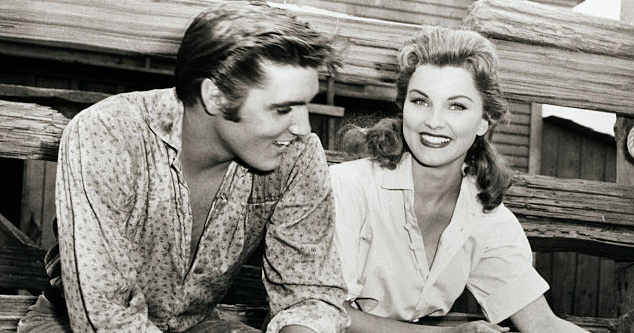
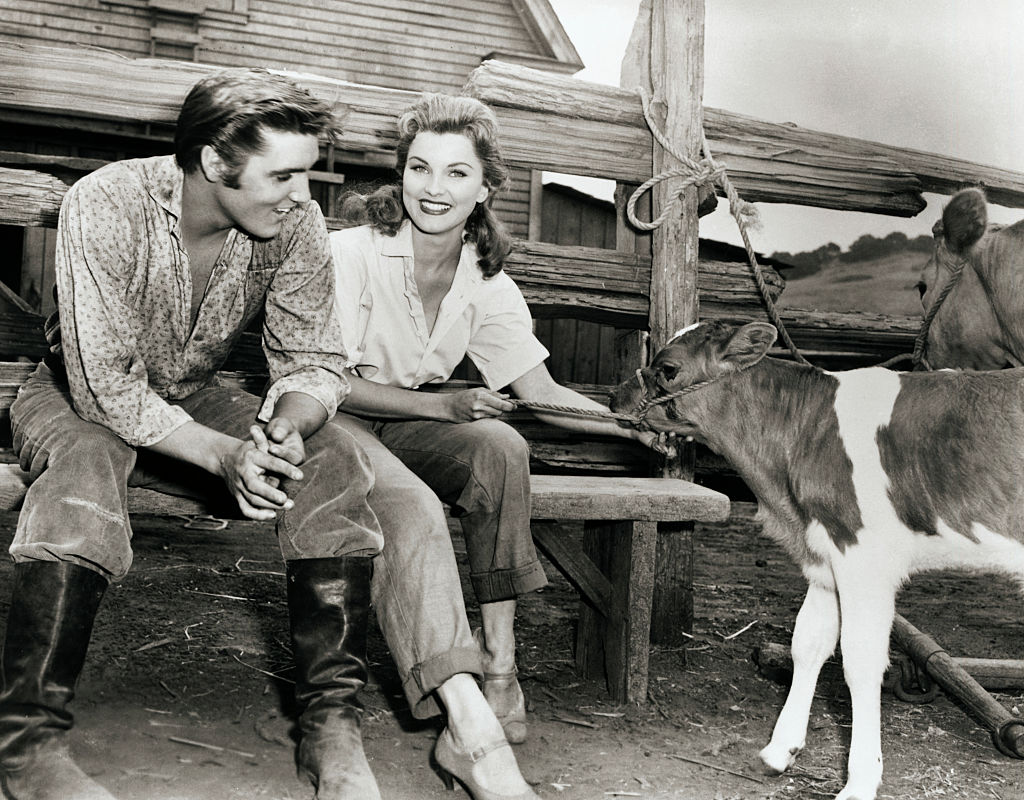
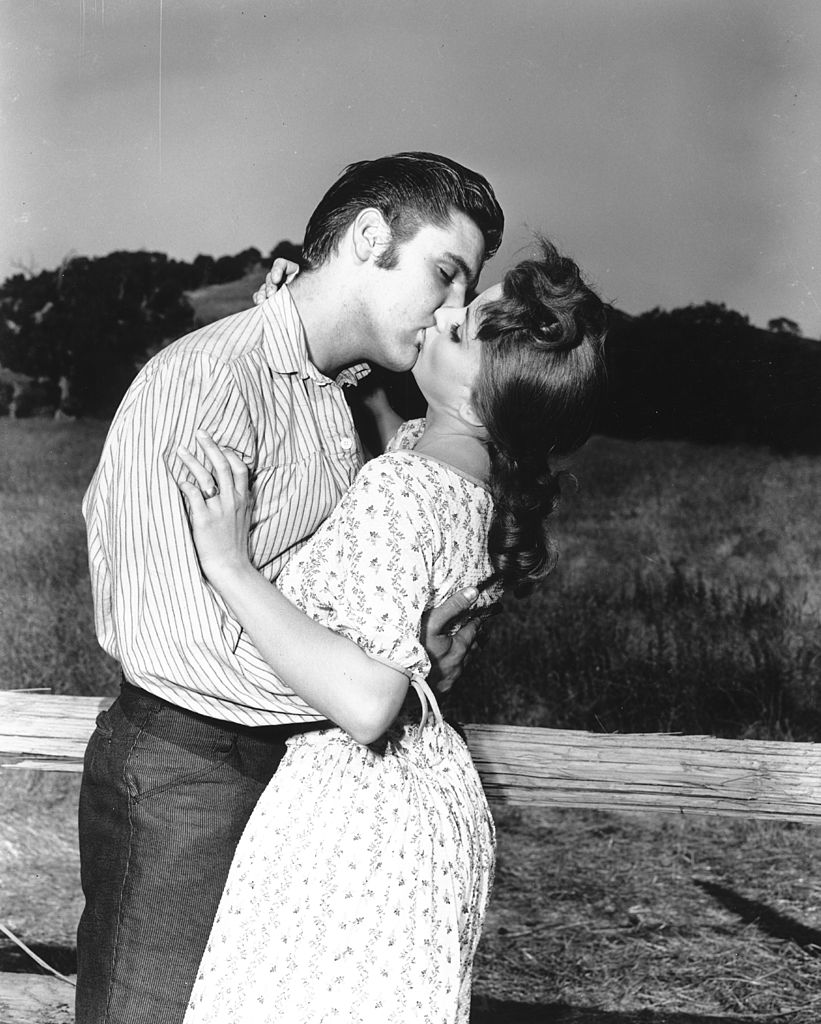
    While the musical performances may have disrupted the historical atmosphere of the Civil War, the chemistry between Elvis Presley and his leading lady, both on and off the screen, was reportedly very real.

    At just 22 years old, Debra Paget was already an established Hollywood actress, admired for her extraordinary beauty. Even legendary director Cecil B. DeMille was said to have described her as a woman who had been “touched by the hand of God.”

    Elvis had actually met Paget several months before filming began, when they crossed paths on the set of The Milton Berle Show in June 1956. It was the same television appearance during which Elvis shocked conservative America with his energetic hip movements during a performance of Hound Dog.

    Paget later admitted that she had approached their first meeting with considerable uncertainty.

    “Although I usually don’t form an opinion of a person until I have met him, frankly I looked forward to my first meeting with Elvis Presley with mixed emotions,” she recalled. “I’d heard and read a lot about this new young singing sensation from Tennessee—and most of it was not complimentary.”

    However, Elvis quickly made a different impression than she had anticipated. When they were introduced, the young singer greeted her politely, shook her hand, warmly acknowledged her mother, and even went out of his way to find a comfortable chair for the older woman.

    “From the very beginning, Elvis impressed me as a pleasant, sincere, obliging young man,” Paget reportedly said. “Elvis and I just sort of came together like a couple of children, really.”

    For Elvis, however, the attraction reportedly developed into something much deeper. Captivated by Paget’s beauty and personality, he allegedly considered her one of the most beautiful women he had ever met.

    He reportedly began visiting her family home regularly, where her parents welcomed him warmly and treated him almost like a member of the family.

    Following the filming of Love Me Tender, Elvis is said to have formally proposed marriage to Paget. Unfortunately, the romance never developed into the fairytale he had hoped for.

    Paget’s parents reportedly opposed the idea, expressing concerns about her young age and the direction of her acting career. At the same time, Paget was reportedly developing an interest in the famously wealthy and unconventional film producer Howard Hughes.

    Ultimately, the relationship did not progress, and Elvis had to accept that his feelings were not being returned in the way he had hoped.

    Nevertheless, Paget appears to have left a lasting impression on the singer.

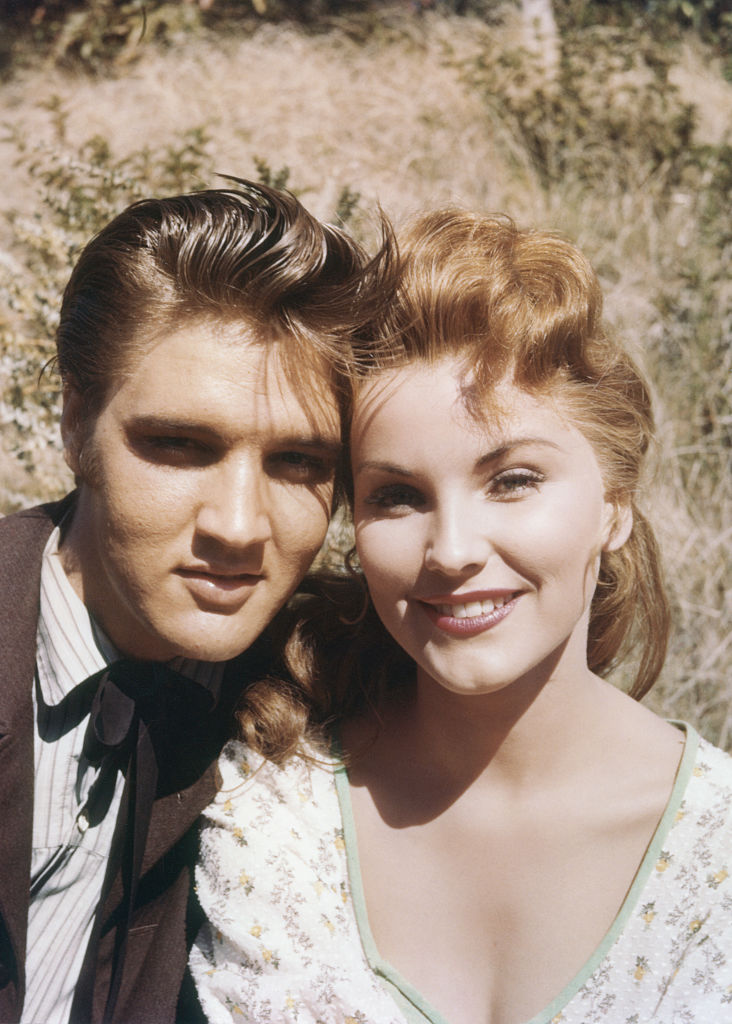
    Years later, in 1959, when a young Priscilla Beaulieu was trying to capture Elvis’s romantic attention while he was stationed in Germany, she reportedly took inspiration from Debra Paget’s appearance in Love Me Tender.

    Priscilla carefully styled her hair and makeup to resemble Paget’s distinctive look, hoping to recreate the image that had once captured Elvis’s attention.

    It was an intriguing detail that connected two important women in Elvis’s romantic history, demonstrating just how memorable his first Hollywood leading lady had become.

    Reshoots, Elvis’s Rebellious Hairstyle, and the Hilarious On-Set Mistakes You Never Noticed

    The original ending of Love Me Tender was considerably darker and more tragic than the version audiences eventually saw. In the film’s initial conclusion, Clint Reno is fatally wounded, dying in the arms of his devastated wife, Cathy, played by Debra Paget.

    However, when test screenings took place, the reaction was overwhelmingly negative. Elvis’s mother, Gladys Presley, reportedly wept alongside thousands of other emotional viewers who were deeply upset by the tragic fate of the young star’s character.

    Faced with such a strong reaction, studio executives decided that changes were necessary and quickly arranged additional filming.

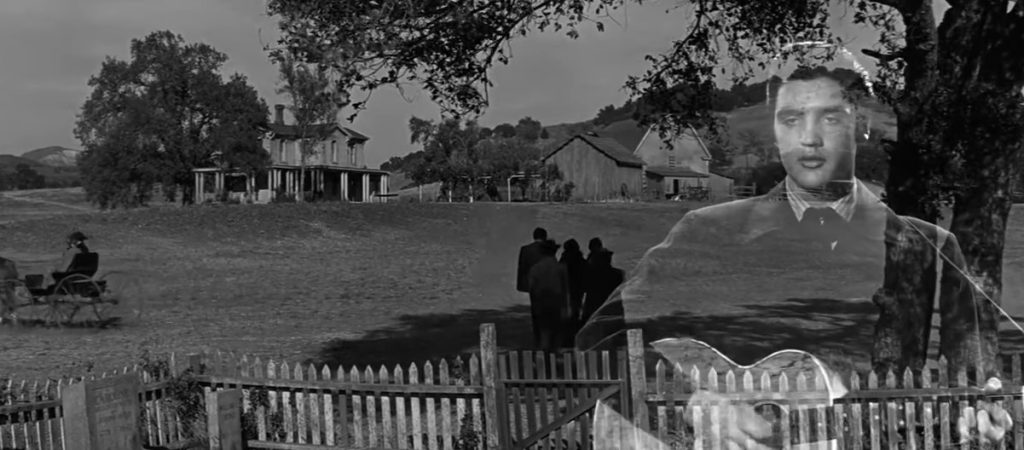
    To make the ending more comforting for audiences, the producers added a dreamlike sequence during the closing credits. In this scene, a glowing, almost ghostly image of Elvis appears high above his grieving family, singing the film’s famous title song, Love Me Tender.

    Although the addition helped soften the emotional impact of the ending, it also introduced an amusing continuity mistake that observant viewers can still spot today.

    By the time the additional footage was filmed, Elvis had already changed his naturally light-brown hair to the deep black shade that would become his signature look. Consequently, his hairstyle and hair color suddenly appear different between the main story and the closing sequence.

    But the changing hair color is just one of several amusing mistakes hidden throughout this Civil War-era production.

    The Most Noticeable Mistakes in Love Me Tender

    1. The Phantom Guitar

    During a performance of We’re Gonna Move, Elvis briefly takes both hands completely away from his acoustic guitar to gesture toward the crowd. Despite this, the cheerful guitar accompaniment continues playing in the soundtrack without interruption.

    2. The Teleporting Gun

    In a scene involving the Reno brothers disarming three former soldiers, a firearm appears to change position between camera shots. At one moment, it is concealed beneath a jacket, while in the next, it is clearly visible on a belt.

    3. The Time-Traveling Zippers

    One particularly noticeable historical inconsistency involves a Confederate soldier zipping up a pair of trousers taken from a Northern soldier. The problem? Modern zipper technology was not yet available for ordinary mass-produced clothing during the Civil War era.

    4. The 1950s Convertible

    During an emotional scene in which Cathy Reno sits crying beside a window, viewers with particularly sharp eyes may notice something unexpected in the background. Hidden among the distant trees, a mid-century automobile can be seen parked along the horizon.

    A Forgotten Hollywood Moment That Became History

    Rather than spoiling the experience, these amusing production mistakes add another layer of nostalgia to Love Me Tender. They offer a glimpse into the filmmaking practices of the 1950s and remind us that even major Hollywood productions were not immune to continuity errors.

    More importantly, the film captures a remarkable turning point in Elvis Presley’s life.

    It documents the moment when a young, somewhat shy but extraordinarily talented singer from Memphis was beginning his transition from music sensation to Hollywood star.

    At the time, neither Elvis nor the filmmakers could have fully anticipated the extraordinary cultural impact he would eventually have.

    His first appearance on the big screen was only the beginning of a legendary career, and Love Me Tender remains a fascinating reminder of the early days of the man who would become the King of Rock

  • The Secret Behind the Lobster’s Green Goodies – What Are They Really?

    The Secret Behind the Lobster’s Green Goodies – What Are They Really?

    The Mystery of Lobster’s Green Goodies: What Is That Strange Substance Inside?

    You’ve prepared the table, melted the butter, and opened a freshly cooked lobster, expecting to find nothing but delicious, pearly-white meat. But then you notice something unexpected: a bright green, paste-like substance tucked inside the lobster’s body.

    Before panicking and throwing your expensive seafood dinner away, there’s something you should know. What you’re seeing isn’t necessarily a sign of spoilage or a cooking mistake. It’s a completely natural part of the lobster’s anatomy known as tomalley.

    For generations, this unusual green substance has sparked debate among seafood lovers. While some consider it an extraordinary delicacy, others prefer to avoid it altogether. Understanding what tomalley is and what role it plays can help you make a more informed decision the next time you enjoy lobster.

    Understanding the Green Substance Inside a Lobster

    In biological terms, tomalley is the lobster’s digestive gland, an organ that performs functions similar to those of the liver and pancreas in humans.

    As the lobster moves along the ocean floor, this gland helps digest food, process nutrients, and eliminate certain waste products. It also plays an important role in storing nutrients.

    When the lobster is raw, tomalley generally appears as a dark grey-green substance with a soft, liquid consistency. However, after boiling or steaming, its proteins change, giving it the familiar bright green color and creamy, paste-like texture.

    Although its appearance might surprise first-time lobster eaters, tomalley is a natural component of the animal.

    Why Seafood Lovers Consider Tomalley a Delicacy

    In some upscale seafood restaurants, tomalley is treated as a prized ingredient. Experienced seafood enthusiasts have appreciated its distinctive flavor for generations.

    Its texture is rich and creamy, while its taste is intensely savory, buttery, and reminiscent of the ocean. Because of its concentrated flavor, chefs sometimes incorporate it into different dishes to create a deeper seafood taste.

    Some popular culinary uses include:

    • Mixing it into flavored butter to accompany lobster meat.
    • Adding it to seafood soups and bisques for extra richness.
    • Spreading small amounts onto warm, crusty bread.
    • Incorporating it into sauces to create a more concentrated seafood flavor.

    However, tomalley is not universally appreciated. Its unusually strong taste and creamy consistency can be overwhelming for some people. Even among professional chefs, opinions differ, and some prefer to remove it before serving lobster.

    The Health Concern: Why Experts Recommend Caution

    Although tomalley may appeal to seafood enthusiasts, there is an important health consideration worth understanding.

    Because the digestive gland processes nutrients and certain substances from the lobster’s environment, environmental contaminants and naturally occurring marine toxins can accumulate in it.

    One particular concern is exposure to harmful algal blooms, sometimes associated with what is commonly called a red tide. Certain algae produce marine toxins that can accumulate in shellfish and other marine animals.

    The concentration of these toxins in tomalley can become a health concern, which is why food safety authorities have issued warnings about consuming it in affected regions.

    Environmental pollutants and heavy metals are additional concerns that may influence the safety of the digestive gland.

    Importantly, the white meat and tomalley do not necessarily accumulate contaminants in the same way. However, it would be misleading to assume that the white meat is automatically safe whenever a lobster has been exposed to harmful marine toxins. Official harvesting closures and seafood safety advisories should always be followed.

    For this reason, food safety experts recommend avoiding tomalley when regional advisories are in effect. Depending on the location and circumstances, avoiding it altogether may be the more cautious choice.

    How Should You Handle the Green Stuff at Dinner?

    If you’re curious about trying tomalley, the most important consideration is where your lobster comes from.

    Choose seafood obtained through reputable suppliers who follow local harvesting regulations and safety requirements. Pay attention to official seafood advisories, particularly those involving harmful algal blooms or marine toxins.

    Remember that cooking does not reliably destroy all marine biotoxins, so boiling or steaming a lobster should never be considered a way to make contaminated tomalley safe.

    Ultimately, whether you choose to eat the green substance is a personal decision. If its appearance, texture, or potential contamination concerns make you uncomfortable, simply remove it with a small spoon and enjoy the white meat from the tail and claws.

    A delicious seafood dinner should be an enjoyable experience, not a source of unnecessary worry.

    Now that you know what those mysterious green goodies really are, you can approach your next lobster dinner with a little more knowledge and confidence. Bon appétit!

  • Popular TV Actress Shares Her Incredible Weight Loss Journey – Along With Surprising Benefits She Never Expected

    Popular TV Actress Shares Her Incredible Weight Loss Journey – Along With Surprising Benefits She Never Expected

    Chrissy Metz Opens Up About Her Remarkable Weight Loss Journey – And the Unexpected Benefits That Changed Her Life

    Chrissy Metz has surprised fans by revealing more details about her weight loss journey, explaining that the transformation brought changes that extended far beyond her physical appearance. The actress, widely recognized for her emotional performances on television, has spoken about improvements in her everyday comfort, mobility, sleep, and relationship with food.

    At a New York premiere on October 20, 2026, the 46-year-old actress appeared elegant and confident while discussing a personal journey that has attracted considerable public attention. Reports have associated her transformation with a weight loss of approximately 100 pounds, although her efforts began long before she considered prescription medication.

    For years, Metz experienced difficulties managing her weight while navigating the pressures of Hollywood, a demanding career, and personal health concerns. Gradually, she began introducing strength training, healthier eating habits, and professional guidance into her daily routine.

    However, as she has explained, the most meaningful changes were not necessarily reflected on the weighing scale. Instead, she began noticing improvements in how she felt, how easily she could move, and how she approached food in her everyday life.

    Why Chrissy Metz Decided to Consider GLP-1 Medication

    Metz has revealed that she was initially hesitant about GLP-1 medications, a category of prescription treatments that has increasingly become part of conversations surrounding weight management.

    She had concerns about potential side effects and was unsure whether this type of treatment would be appropriate for her individual needs. Rather than rushing into a decision, she took time to consider her medical history and the difficulties she had experienced with weight management over the years.

    Her family history, perimenopause, and repeated struggles with maintaining a healthy weight all contributed to her decision to seek professional medical advice. Following consultations with healthcare professionals, she eventually decided to give the treatment a try.

    She later partnered with the telehealth company Ro, becoming more open about her experience and the changes she had noticed.

    In an August 2026 interview, Metz stressed that medication was not an effortless solution to weight management. She explained that healthy lifestyle choices continued to play an essential role in her progress, rather than relying entirely on a prescription.

    Strength training remained an important part of her routine, and she worked with a personal trainer to develop and maintain her physical strength. Her objective was not simply to lose weight but to improve her long-term health and overall well-being.

    Following her return to the spotlight after a demanding Broadway production, Metz also revealed that some of the most rewarding results were benefits she had never initially anticipated.

    The Unexpected Benefits That Changed Her Everyday Life

    In recent interviews, Metz discussed how the medication had helped reduce inflammation and what is commonly known as “food noise” — persistent thoughts about eating, hunger, and food that can make weight management more challenging.

    She also described improvements in her mobility, sleep quality, and general physical comfort.

    These benefits became particularly noticeable during her time performing in Broadway’s & Juliet, an intensive production that required her to complete eight performances every week.

    Maintaining such a demanding schedule can be physically challenging, making greater comfort and mobility especially valuable. For Metz, these improvements were particularly significant given her previous knee problems and difficulties associated with perimenopause.

    Nevertheless, she acknowledged that her experience also involved some challenges. The actress reported experiencing mild but manageable side effects, highlighting that responses to treatment can differ from one person to another.

    Her experience brings attention to an important aspect of the ongoing discussion about GLP-1 medications: although some individuals may experience considerable benefits, neither the results nor the potential side effects are the same for everyone.

    There are also practical considerations surrounding these treatments. Insurance coverage, prescription expenses, and access to qualified healthcare professionals can all influence whether someone can pursue this type of medical treatment.

    Rather than describing medication as a guaranteed shortcut, Metz has highlighted the importance of medical supervision and maintaining a broader commitment to personal health.

    Healthcare professionals similarly emphasize that GLP-1 medications are not appropriate for everyone and may cause gastrointestinal side effects. Anyone considering these treatments should undergo an individual medical assessment and discuss the possible risks and benefits with a qualified healthcare provider.

    For Metz, the experience has reinforced the value of combining medical guidance with sustainable lifestyle habits, including regular strength training, balanced nutrition, and attention to emotional well-being.

    The Actress Behind the Transformation: A Journey Toward Self-Acceptance

    Chrissy Metz became internationally recognized for portraying Kate Pearson in NBC’s popular family drama This Is Us. Although the role brought her widespread recognition, her willingness to discuss body image and self-acceptance has also made her an important voice in conversations about beauty standards and Hollywood expectations.

    Throughout her career, Metz has spoken about the pressure celebrities experience regarding their bodies and the intense attention often placed on their appearance, sometimes taking attention away from their professional achievements and personal experiences.

    Her recent reflections suggest that her priorities have increasingly shifted toward how she feels rather than concentrating exclusively on the number displayed on a weighing scale.

    Although media reports have associated her with losing approximately 100 pounds, her progress has involved years of lifestyle adjustments and should not be attributed exclusively to GLP-1 medication.

    Her journey has included several important elements, such as changes in eating habits, consistent physical activity, professional support, and personal decisions about her health.

    Today, she says her priorities include remaining active, preserving her physical strength, and embracing the creative opportunities that lie ahead.

    For Metz, the most rewarding aspect of her transformation is not necessarily what people notice when they see her photographs on the red carpet. Instead, it is the greater sense of freedom, mobility, and physical comfort she says she experiences in her everyday life.

    Her story also highlights an important reality: weight management is rarely a straightforward journey, and no two people’s experiences are exactly alike. Behind the headlines and photographs are personal decisions, health considerations, setbacks, and years of effort that cannot always be measured by a number.

    As Metz continues balancing her acting career with her commitment to better health, her focus appears to be on something much more meaningful than appearance alone: feeling stronger, healthier, and more comfortable in her own life.

  • The Riddle of the Wife – Can You Figure It Out?

    The Riddle of the Wife – Can You Figure It Out?

    The Power of Observation: How Riddles, Puzzles, and the Viral “Wife Riddle” Help Keep Your Brain Sharp

    We often hear that maintaining a healthy mind requires a balanced diet, sufficient sleep, and regular physical activity. While these habits are essential for long-term cognitive health, there is another important way to keep our minds active: regularly challenging our brains with problem-solving activities.

    Riddles, logic puzzles, and visual challenges encourage us to move beyond automatic thinking. They stimulate critical reasoning, pattern recognition, and creativity, helping us question assumptions, pay closer attention to details, and think carefully before reaching conclusions.

    The Mystery of the Missing Ring: The Viral “Wife Riddle”

    One of the internet’s most popular brain teasers features a newlywed woman sitting comfortably on a couch, smiling casually at the camera. At first glance, there seems to be nothing unusual about the photograph. The room looks tidy, the lighting is natural, and the woman appears completely relaxed.

    However, according to the story accompanying the viral image, her husband noticed something suspicious as soon as he looked at the picture.

    The clue? She isn’t wearing her wedding ring.

    Although the scenario is fictional and designed purely as a visual challenge, it illustrates how easily we can overlook important details. We tend to focus on the overall picture—a smiling woman sitting in a living room—while missing a small but significant detail that may be right in front of us.

    Classic Riddles and Common Thinking Traps

    Visual puzzles aren’t the only way to challenge our minds. Word games, logic questions, and mathematical tricks can also reveal how easily our brains rely on assumptions and mental shortcuts.

    Here are a few examples:

    The Poetic Riddle

    “I speak without a mouth and hear without ears. I have no body, but I come alive with the wind. What am I?”

    The answer is an echo. It reproduces sound without having a physical body or vocal cords.

    The Sisterhood Paradox

    Imagine a family with five sisters. The first is reading a book, the second is preparing dinner, the third is doing the laundry, and Kate is playing chess.

    What is the fifth sister doing?

    The logical answer is that she is playing chess with Kate, since the game requires two players.

    The Mathematical Trap

    Try answering this question without using a calculator: Divide 30 by one-half, then add 10.

    Many people quickly answer 25 because they mistakenly interpret “divide by one-half” as “divide by two.”

    However, dividing by a fraction is the same as multiplying by its reciprocal:

    30 ÷ ½ = 60

    60 + 10 = 70

    Therefore, the correct answer is 70.

    The Structural Mistake

    Another popular visual puzzle shows an ordinary, clean bathroom and challenges viewers to identify what is wrong.

    The answer is hidden in the bathroom’s functionality: the sink is missing its drainpipe underneath the counter, making it impossible to function properly.

    Why Brain Teasers Are Worth Your Time

    These puzzles reveal something interesting about human thinking: our brains naturally seek efficient ways to process information. As a result, we sometimes rely on quick assumptions and overlook details that require closer examination.

    When we read too quickly, glance at an image, or rush to solve a problem, we may miss the very clues needed to find the correct answer.

    Taking a moment to slow down, reconsider the wording, and examine a situation from different perspectives can help develop better analytical and problem-solving habits.

    Whether you solve these riddles in seconds or find yourself struggling with their hidden tricks, challenging your perception can be an enjoyable way to break away from everyday routines.

    After all, some of the most surprising discoveries happen when we finally notice the things everyone else has overlooked.

  • People are increasingly identifying as ‘Nebulasexual’.

    People are increasingly identifying as ‘Nebulasexual’.

    Human identity continues to evolve, with new terms emerging to describe personal experiences that traditional definitions often struggle to capture. One of the latest is nebulasexual, an identity that has attracted attention online, particularly among people whose experiences of attraction are influenced by neurological differences.

    Rather than simply describing uncertainty or questioning one’s orientation, the term offers a way to express a specific experience: the often unclear and complex relationship between romantic or sexual attraction and neurodivergence.

    Experiencing Attraction Differently

    As awareness of neurodiversity continues to grow, more people are discovering that traditional categories of sexual orientation do not always reflect their personal experiences. For individuals with ADHD, Autism Spectrum Disorder (ASD) or Obsessive-Compulsive Disorder (OCD), distinguishing between different types of attraction may not always be easy.

    Someone might feel a strong connection or excitement toward another person but struggle to understand whether it comes from sexual attraction, aesthetic appreciation or a deep emotional desire. The term nebulasexual offers language for this experience, recognising that attraction can be perceived differently by everyone, particularly when viewed through the lens of neurodivergence.

    Understanding the Meaning of Nebulasexual

    The origin of the term helps explain its meaning. Derived from the Latin word nebulous, meaning “clouded” or “unclear”, the term reflects the vague and difficult-to-define nature of this identity.

    According to an educational feature shared by the advocacy organisation Autism Nottingham, nebulasexuality falls under the broader quoisexual umbrella. This category describes an orientation in which a person finds the concept of sexual attraction difficult to understand, identify or apply to their own experiences.


     [ The Quoisexual Umbrella ]
               (Attraction is hard to define)
                             |
                             v
                 +-----------------------+
                 |    NEBULASEXUALISM    |
                 +-----------------------+
                             |
            +----------------+----------------+
            |                                 |
            v                                 v
    [ Neurodivergent/OCD Lens ]       [ Constant Internal Fog ]
    (Intrusive urges blur lines)     (Desire exists, attraction unclear)
    

    In practice, it describes an individual who cannot definitively tell whether they experience sexual attraction due to their neurodivergency or chronic intrusive thoughts, images, and urges. A nebulasexual person may actively desire sex or pursue a physical relationship, but the internal machinery that identifies true “attraction” remains perpetually obscured.

    Voices from the Spectrum

    Digital spaces and neurodivergent forums have become vibrant focus groups for those adopting the term, with many expressing profound relief at finally finding a word that mirrors their internal reality.

    “We aren’t broken, we just experience attraction in a different way due to our disorders,” wrote one Reddit user in a thread dedicated to unpacking the identity.

    Another forum member, struggling to navigate standard LGBTQ+ spaces, found an immediate epiphany: “I’ve made posts on LGBT subreddits asking because I literally cannot tell. I just get feelings, and I don’t know what they mean! Also, I am neurodivergent, so that checks out. I’m definitely nebulasexual. New label time!”

    For some on the autism spectrum, the experience is less about confusion and more about an absence of standard signals. One autistic user shared that they feel neither “disgust nor desire, just nothing,” adding, “Many autistic people… experience attraction in very different and nuanced ways than what the neurotypical norm posits, and I’m glad we’re gradually giving these ideas a platform.”

    How ADHD and OCD Blur the Lines

    The mechanics of conditions like ADHD and OCD play a profound role in creating this internal fog. Individuals with ADHD often struggle with hyperfixation, which can mimic the intense early stages of sexual attraction.

    “As someone with ADHD, my brain processes everything differently,” one netizen explained. “I might think someone is attractive, but whether that’s sexual, aesthetic, or just my brain hyperfixating on their features? No clue. Nebulasexual fits perfectly.”

    For those battling OCD, the struggle stems from separating genuine identity from a chaotic mind. As another user noted: “The intrusive thoughts make it so hard to know what’s ME and what’s just my brain being chaotic. This label helps me feel less broken and more understood.”

    The Cultural Pushback: “Officially Lost It”

    Predictably, the rapid codification of these nuanced identities has met with sharp skepticism from corners of the internet weary of what they view as over-labeling. Critics frequently question the utility of creating hyper-specific terms for experiences they consider universal aspects of human confusion.

    “I don’t understand why we need so many labels. Isn’t this just being confused about your sexuality?” asked one online commentator. On Facebook, another user vented her fatigue regarding the expanding lexicon, writing bluntly, “We have officially lost it… Really, doesn’t it just make you want to drop whatever is in your hands and go home.”

    The Broader Lexicon of Gender and Sex

    Amid the debate, observers on platforms like Quora have attempted to conceptualize why the modern vocabulary of identity is fracturing into dozens of new terms. The phenomenon, some argue, stems from a fundamental decoupling of internal identity from biological sex.

    Under this contemporary framework, gender and orientation are viewed as highly individualized social and psychological constructs built around biological realities. Because every human life involves a unique set of sensory, social, and neurological inputs, an individual’s relationship to sex and gender becomes entirely personal. The explosion of terms is simply an attempt to broadly classify those highly unique lived experiences.

    For the neurodivergent individuals adopting the nebulasexual label, the conversation isn’t about boxing themselves into a trendy category or fracturing society. It is a quiet, profound act of translation—finding a single word to illuminate a space that, for their entire lives, has felt entirely dark and foggy.

  • Jennifer Lopez’s Son Max Grows Up Away From the Spotlight as She Opens Up About the Joys of Motherhood

    Jennifer Lopez’s Son Max Grows Up Away From the Spotlight as She Opens Up About the Joys of Motherhood

    For millions around the world, Jennifer Lopez is an undeniable force of nature—a multifaceted icon whose decades-long career spans chart-topping hits, blockbuster films, successful fashion ventures, and electrifying stage performances. Yet, away from the dazzling red carpets and roaring stadium crowds, Lopez finds her greatest fulfillment in a far more personal and meaningful role: motherhood.

    At the center of her personal world is her son, Maximilian “Max” Muñiz, born in 2008 alongside his twin sister, Emme.

    Growing up as the child of two Latin music superstars—Lopez and her former husband, internationally acclaimed salsa singer Marc Anthony—could easily have placed Max in the spotlight from an early age. Instead, his journey reflects a conscious commitment to privacy, thoughtful parenting, and the freedom to discover his own identity away from the pressures of fame.


    The Arrival That Changed a Megastar’s World

    When Max and Emme were born in New York, both Jennifer Lopez and Marc Anthony were already at the height of their careers. Yet, the arrival of their twins brought an extraordinary shift in Lopez’s life, reshaping her perspective and redefining what mattered most to her.

    Over the years, Lopez has spoken candidly in interviews about how motherhood transformed her understanding of success and gave her life a deeper sense of purpose.

    A Shift in Priorities: Although her professional ambitions remained as strong as ever, the demanding pace of the entertainment industry gradually took a backseat to the responsibilities of raising, nurturing, and protecting her children.

    A Greater Sense of Purpose: Lopez has often reflected on how becoming a mother brought newfound clarity to her life, shifting her focus away from the constant demands of fame and placing her family at the center of her world.

    Growing up with globally famous parents comes with its own set of challenges. From an early age, Max was surrounded by music, artistic expression, and creativity. However, understanding the potential impact of constant public attention on a child’s development, Lopez and Anthony made a conscious effort to shield their children from the relentless glare of the paparazzi.

    Navigating Identity in the Age of Digital Exposure

    Max’s childhood has unfolded during a period of profound change in celebrity culture, marked by the rise of social media and the nonstop cycle of digital news. Unlike earlier generations of celebrity children, those growing up today face an environment in which even a seemingly ordinary photograph or private family moment can quickly become a worldwide talking point.

    Despite these challenges, Lopez has made a deliberate effort to protect Max’s childhood, sharing only occasional glimpses of their family life while remaining mindful of her children’s need for privacy.

    This careful balance has given Max the opportunity to grow and develop at his own pace, away from the expectations that often accompany a famous family name. Rather than steering her children toward the entertainment industry or expecting them to follow in her footsteps, Lopez has consistently embraced their individuality and encouraged them to pursue their own interests.

    She has spoken warmly about Max’s distinctive personality, highlighting his individual interests, understated sense of humor, and unique perspective on the world. For Lopez, allowing her son the freedom to discover who he is, beyond the spotlight and the weight of his family’s fame, remains one of the most meaningful aspects of motherhood.

    The Art of Balancing the Spotlight with Family Life

    For a global superstar whose schedule is often filled years in advance with film projects, world tours, and business ventures, maintaining a meaningful day-to-day presence in her children’s lives requires careful balance and constant adjustment.

    Lopez has been candid about the challenges that come with balancing a demanding career and the responsibilities of motherhood, including the familiar struggle many working parents face when trying to divide their time between professional commitments and family.

    “Like any working parent, the challenge is always about being truly present,” Lopez has reflected. “No matter where work takes me, making sure my kids feel grounded, loved, and heard is always the absolute priority.”

    As Max continues his transition into young adulthood, curiosity about his future and the path he may choose remains natural. However, Lopez has consistently embraced a parenting philosophy centered on independence and individuality. Rather than placing her own ambitions or expectations on her children, she believes in giving them the support, security, and freedom they need to discover their own passions and pursue their individual paths in life.

    The Unbreakable Bond Between the Muñiz Twins

    Another defining part of Max’s upbringing is the special bond he shares with his twin sister, Emme.

    Growing up side by side in a world shaped by extraordinary fame has given the twins a unique connection and a shared understanding of life that few others can relate to. Lopez has often spoken about the beauty of their relationship, celebrating how their contrasting personalities complement one another and how their closeness has provided a sense of stability and familiarity throughout the different stages of their lives.

    Ultimately, while the world knows Jennifer Lopez for her numerous accolades, record-breaking achievements, and unforgettable red-carpet appearances, her journey as a mother to Max offers a glimpse into a much more personal side of the global superstar.

    Max’s story is not defined by fame, privilege, or headlines. Instead, it is a reminder of the importance of growing up at one’s own pace, discovering an authentic sense of identity, and having the freedom to shape one’s own future. Above all, it reflects the enduring power of a mother’s love and her determination to give her child the space, security, and support to become his own person.